For Investors
Invest in Luminary
An AI-native edutainment platform, built as a product company — a manufactured system with three compounding revenue engines, created by world-class operators across manufacturing, software, AI, entertainment, and education.
Request investor materialsThe Thesis
A product company, not a venue
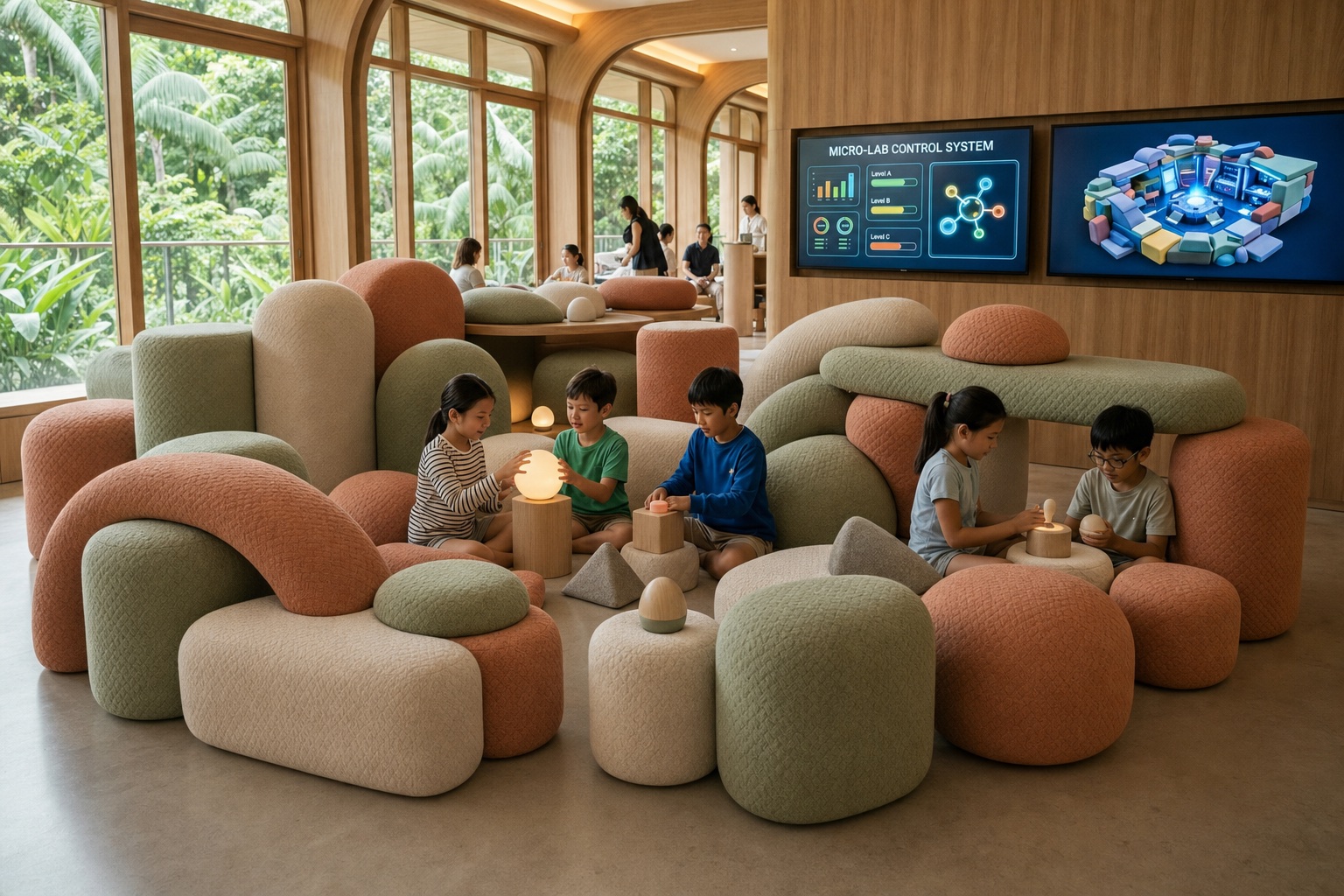
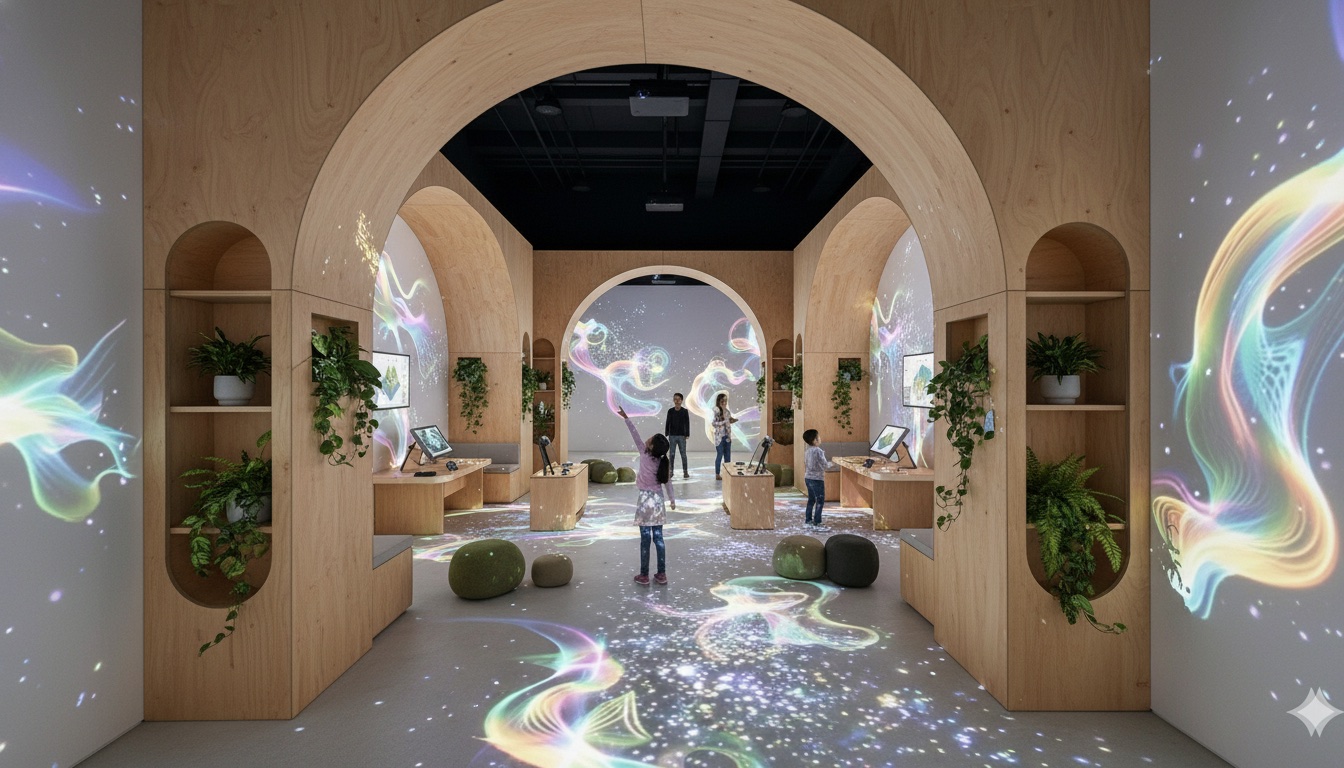
Children build worlds with their hands, bring them to life with AI, and step inside them. The system that delivers this — tactile connected devices, modular soft furniture, panelised environments, projection, and the AI platform — ships as complete kits and installs anywhere.
Every incumbent in the region's enrichment market is a services business. None manufactures a product line, none owns an AI-native platform, and none can credibly retrofit either.
And Luminary owns the entire stack — the brand, the curriculum, the AI platform, the firmware, the product designs, and the franchise system. This isn't a manufacturing story; it's a holistic platform where the hardware, software, and content were designed together and only work together.
Because every component is designed for manufacture, every component is also a sellable product.
Watch The Film
The Product Is Real
Engineered, not imagined
Eight tactile devices on one shared architecture, a standardised furniture vocabulary, and a flat-pack environment system — designed for manufacture from day one, with a design-controlled production model that keeps quality at flagship grade in every market.
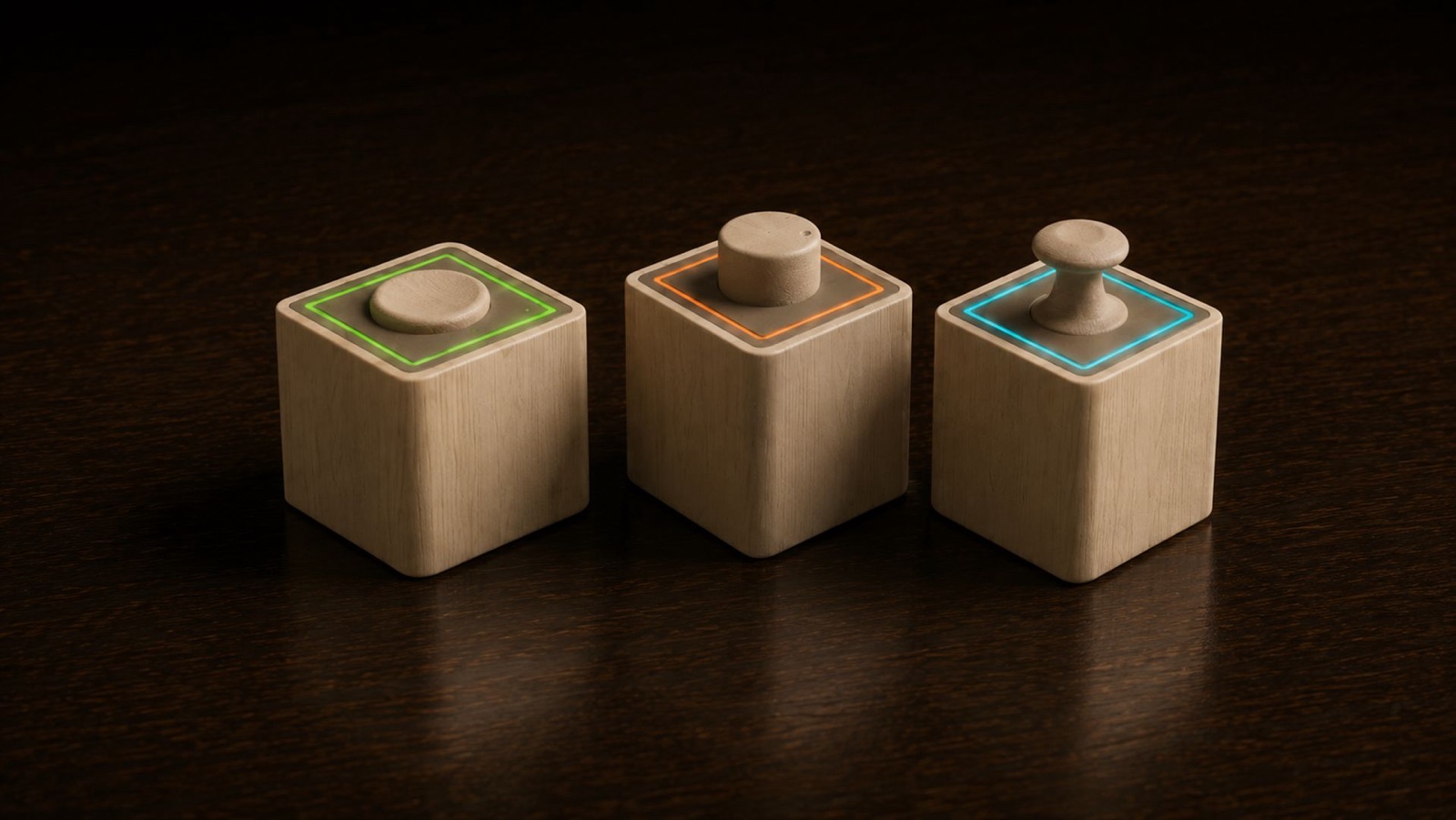 The Luminary primitives
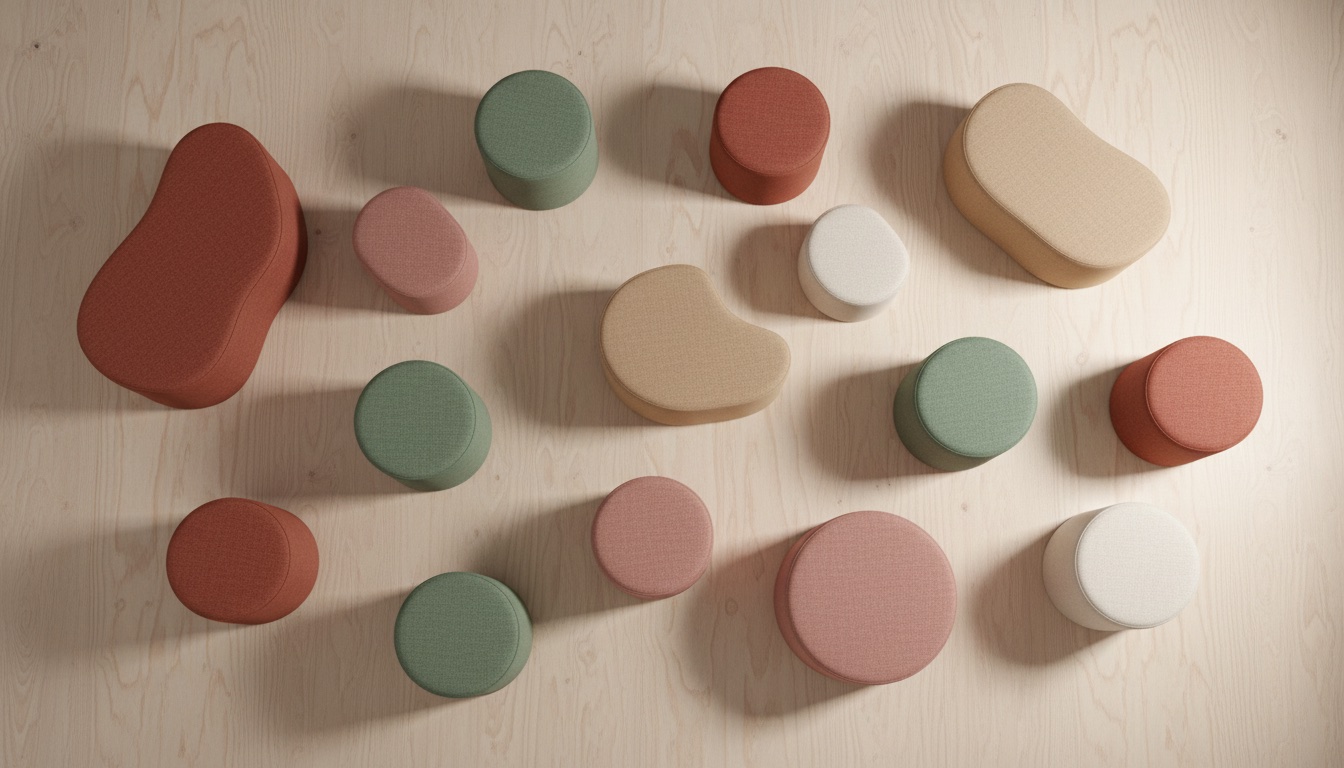
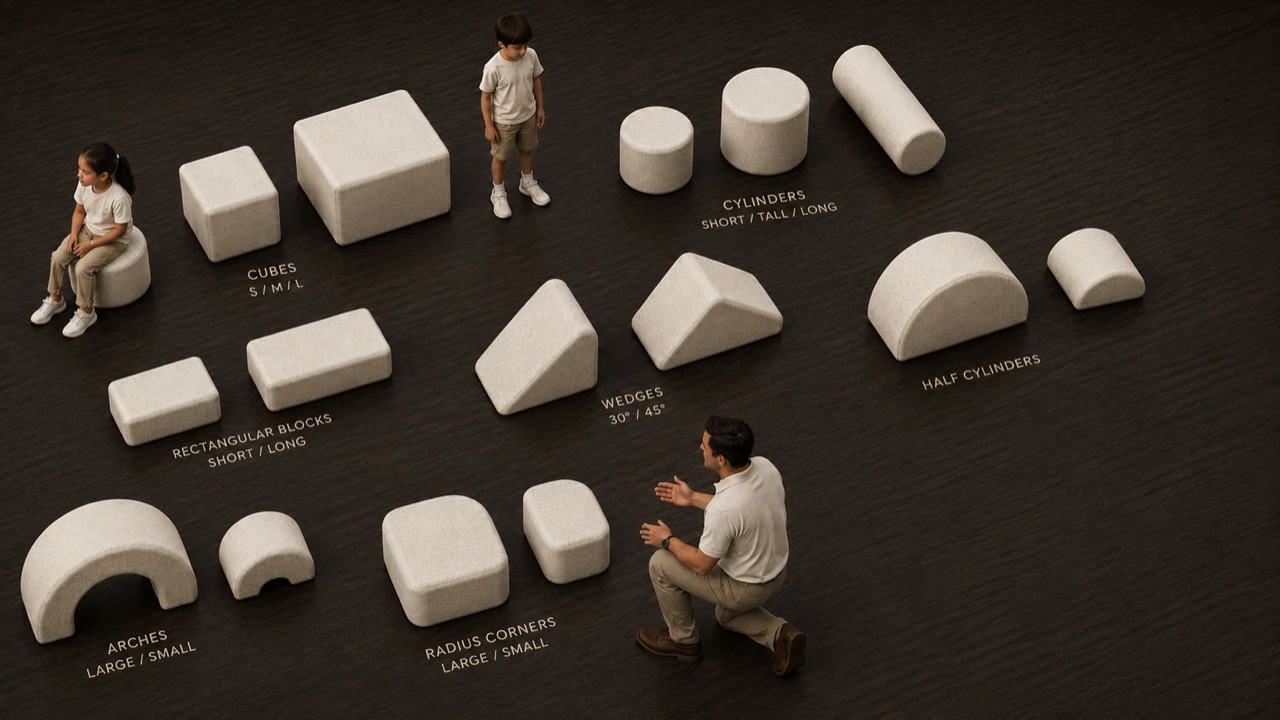 One standardised vocabulary, designed for manufacture
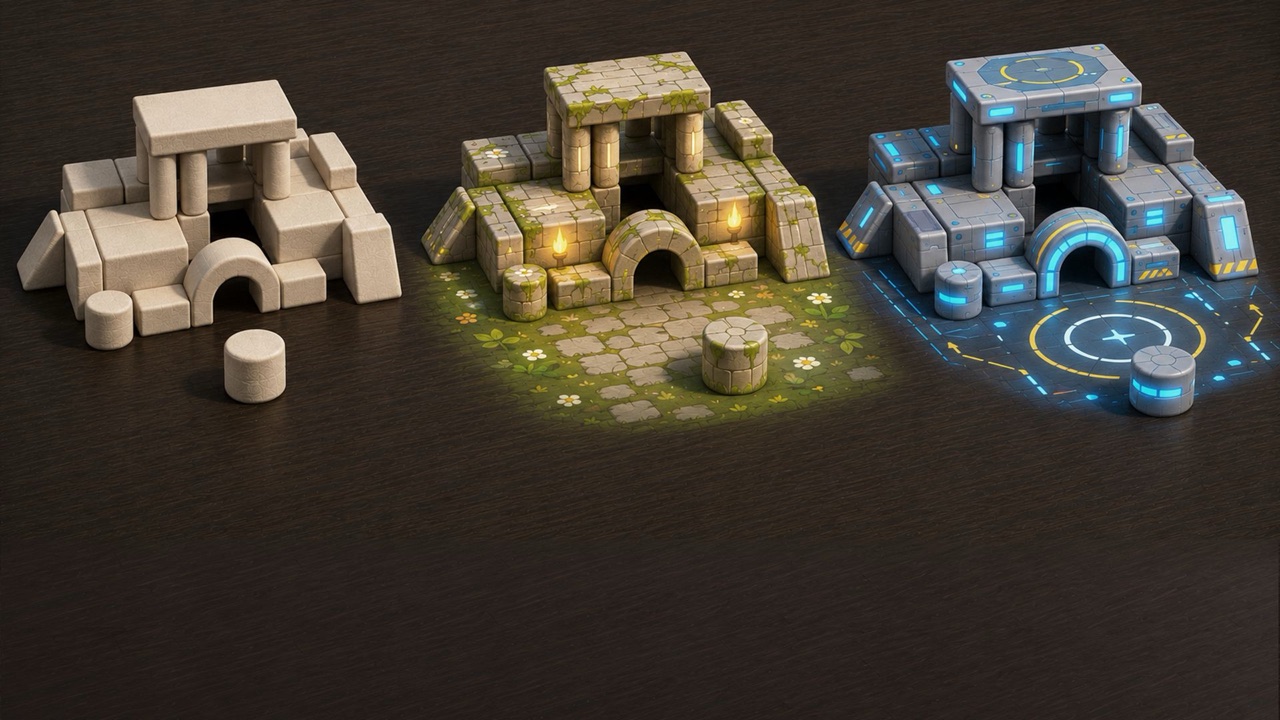 The platform maps worlds onto every build
The Platform
The software is the hardest thing to copy
Behind the wood and the foam sits a full AI platform we built end-to-end — and it's not a prototype. The underlying architecture already powers live consumer AI products for children and families from our studio, in production today.
It runs the room
A simulation engine and AI orchestration conduct every device, projector, and tablet in real time — one system operating the whole experience.
It writes the worlds
Generative pipelines produce the scenarios, scenes, and soundscapes — every world reviewed before a child ever plays it.
It gets smarter with scale
Every session across every location improves the platform. The network compounds; a copycat starts from zero.
It ships over the air
New scenarios and curriculum arrive at every centre and home device without a truck, a visit, or a retrofit.
The Business
Three engines that compound
Product, franchise, and experiences run in parallel from one manufactured foundation — no engine waits on any single venue's results.
 01
01Products
A consumer and institutional product line — the home range, classroom kits, and the full turnkey centre kit. Every component designed for manufacture is a component that can be sold.
 02
02Franchise
A master-franchise system that carries the concept across Southeast Asia and beyond — partners buy the kit, the curriculum, the platform, and the playbook.
 03
03Experiences
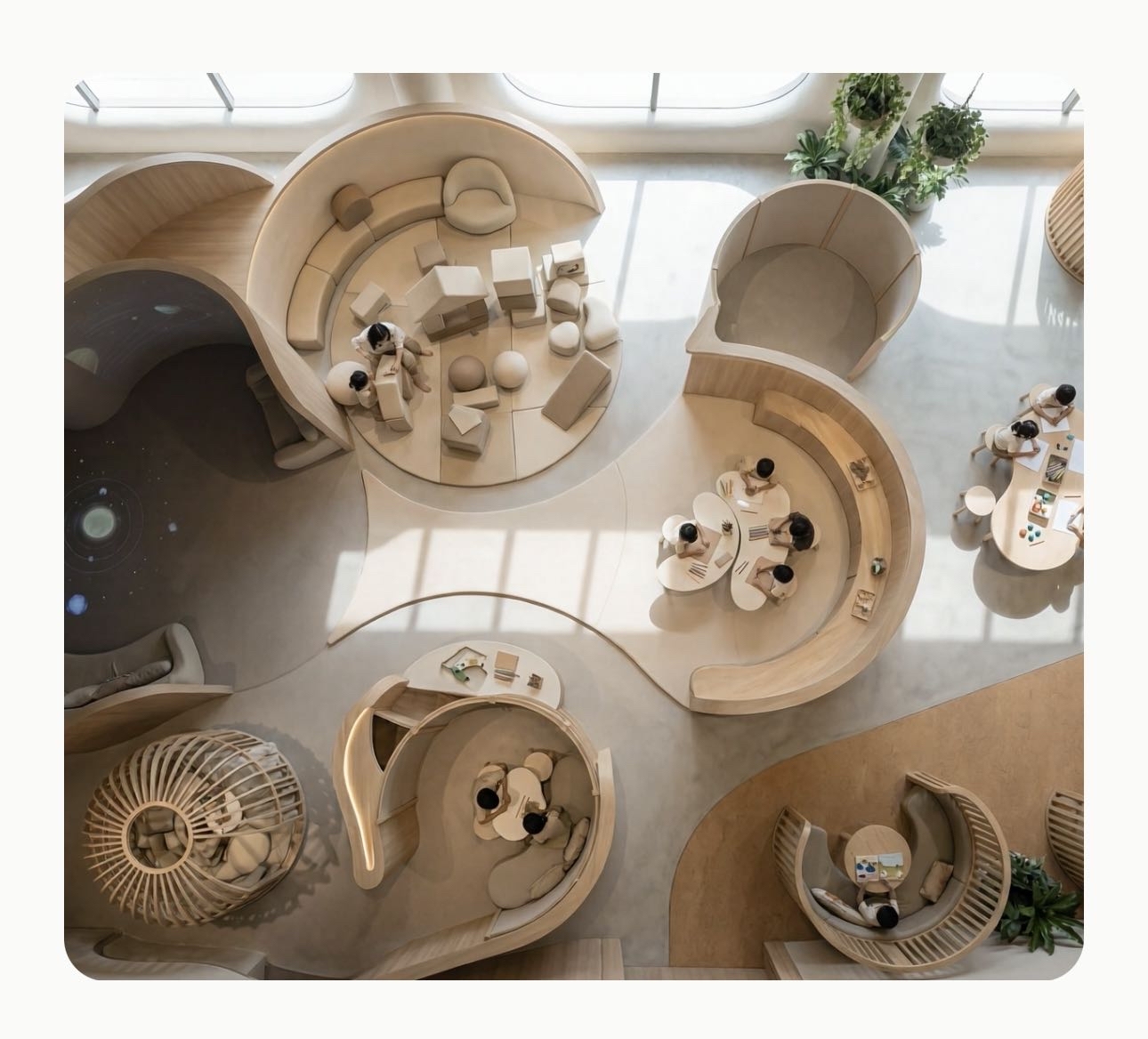
An owned flagship as the reference site and living lab, plus pop-ups and venue partnerships that place Luminary inside hosts who already own the family traffic.
The Market
Premium families, and no AI-native option
Across Southeast Asia's premium cities, families already spend heavily on out-of-school education — a multi-billion-dollar enrichment market growing year on year.
Yet the options fail them: tuition teaches to tests, coding schools put children in front of screens, and craft enrichment has no technology layer. No AI-native experiential learning concept exists at scale in the region.
The Moat
The moat isn't any single layer — it's the integration. A competitor would need to master hardware, software, curriculum, manufacturing, and franchising at once; copying one layer gets them nothing.
Platform & curriculum
AI orchestration, a scenario engine, and structured learning arcs — the hardest layer to copy, improving with every session across the network.
Design-controlled manufacturing
Design is centralized and units ship complete and calibrated — flagship-grade quality at every location, with no local interpretation of the build.
Franchise IP
The system converts into recurring royalties, platform fees, and kit sales, with local partners carrying execution.
The flywheel
Centres create demand for home products. Home products keep children in the world between sessions. The product line makes each new location cheaper to open and faster to standard.
The Team
World-class operators
A founding team with deep track records across manufacturing, software, AI, entertainment, and education — the five disciplines this product demands.
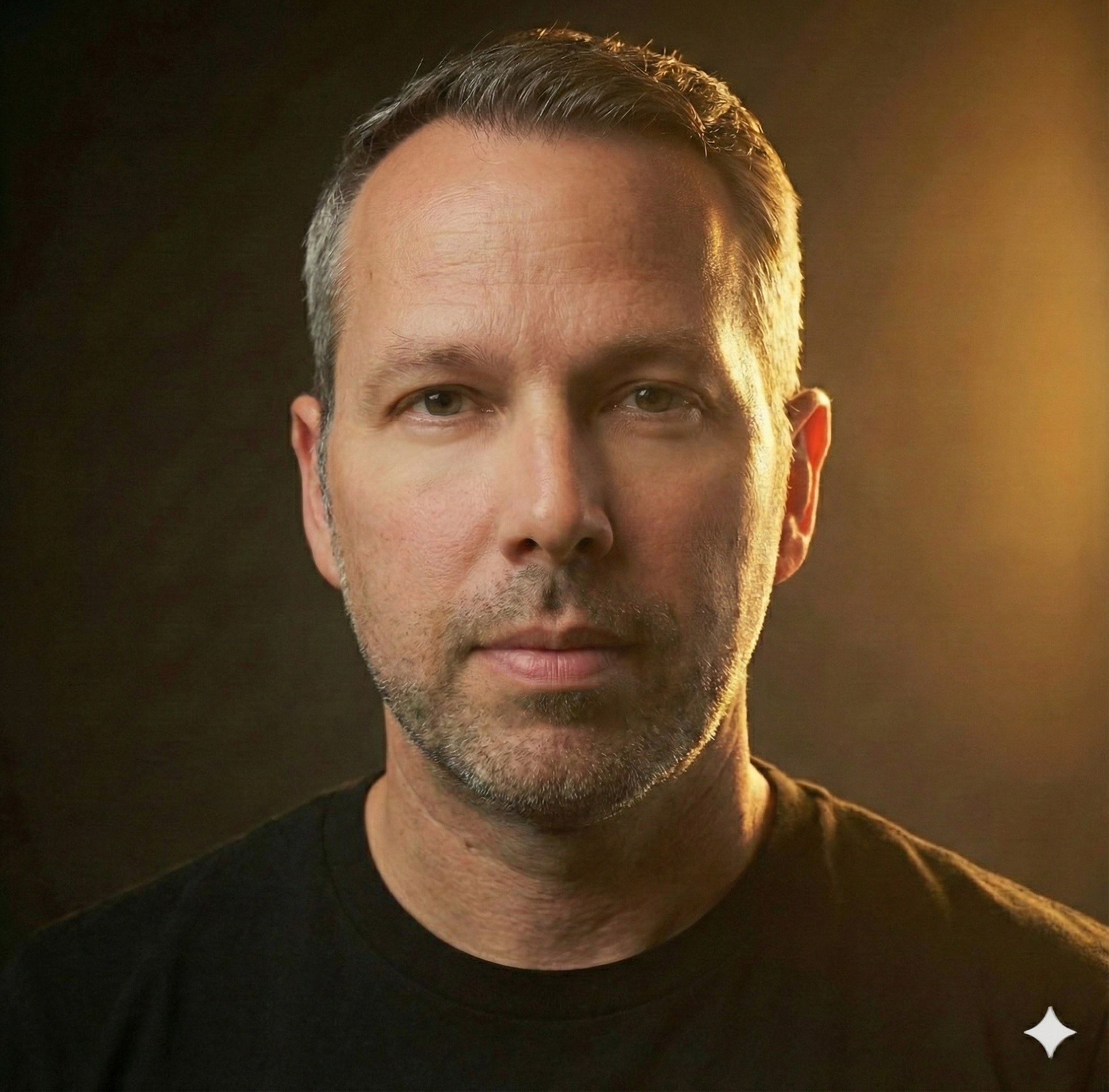
Kyle Jackson
Founder
Product vision and partnerships. Five companies founded, three exits, $100M+ raised across media infrastructure, immersive learning, and AI.
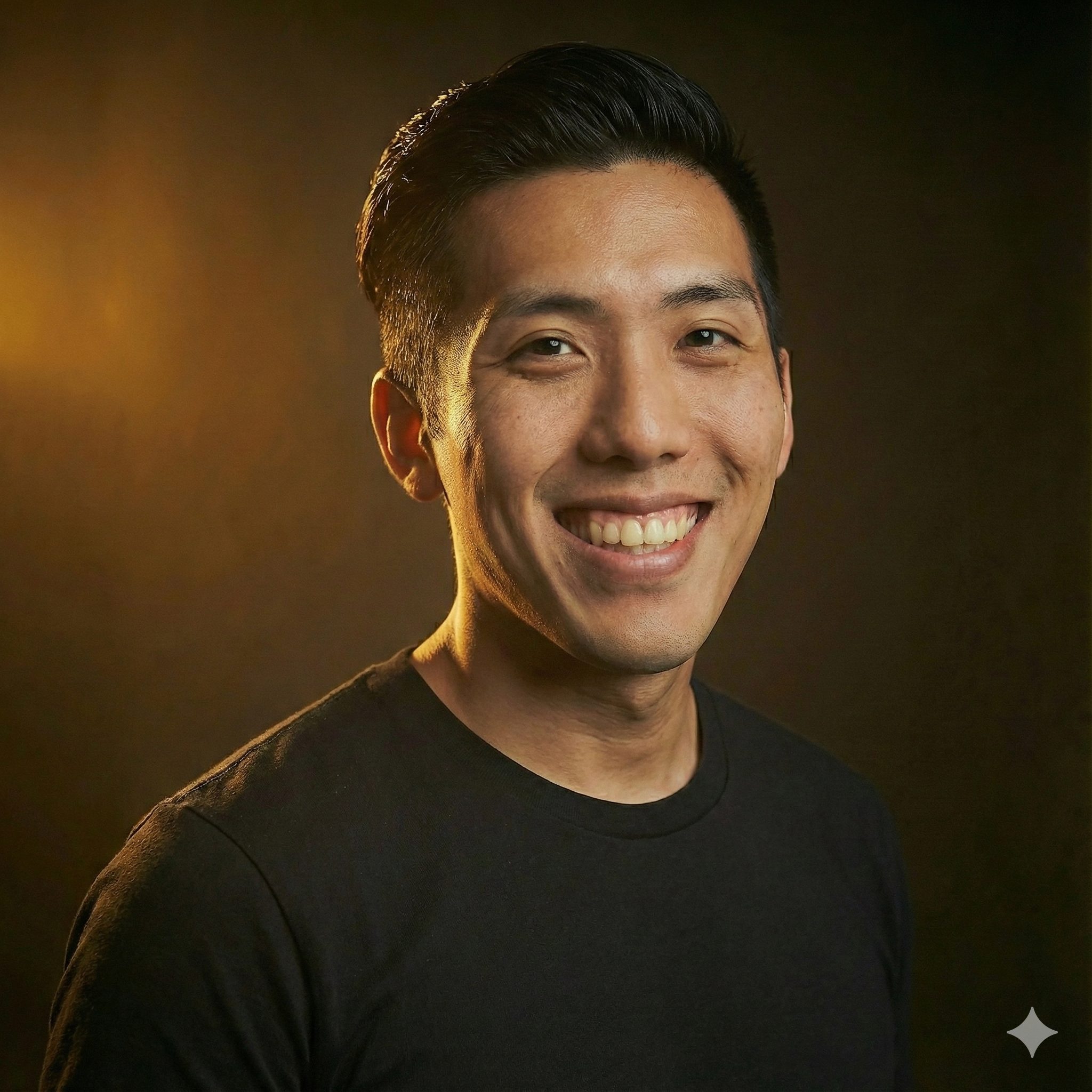
Jaden Teo
Strategy & Operations
Operating model, go-to-market, franchise operations, and the electronics supply chain.
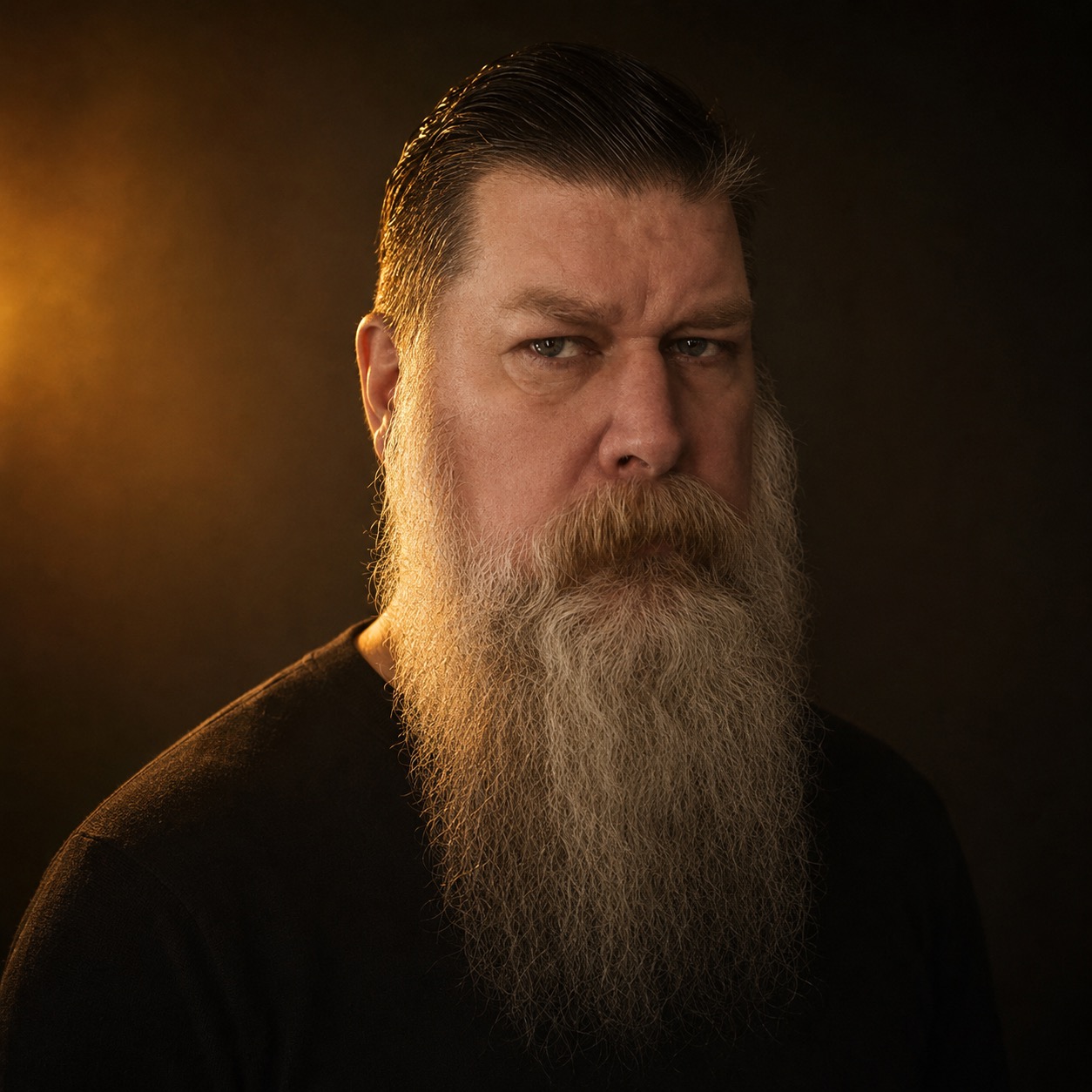
Phil Glofcheskie
Product Development
Industrial design, the primitives architecture, and curriculum systems — a decade in immersive learning products.
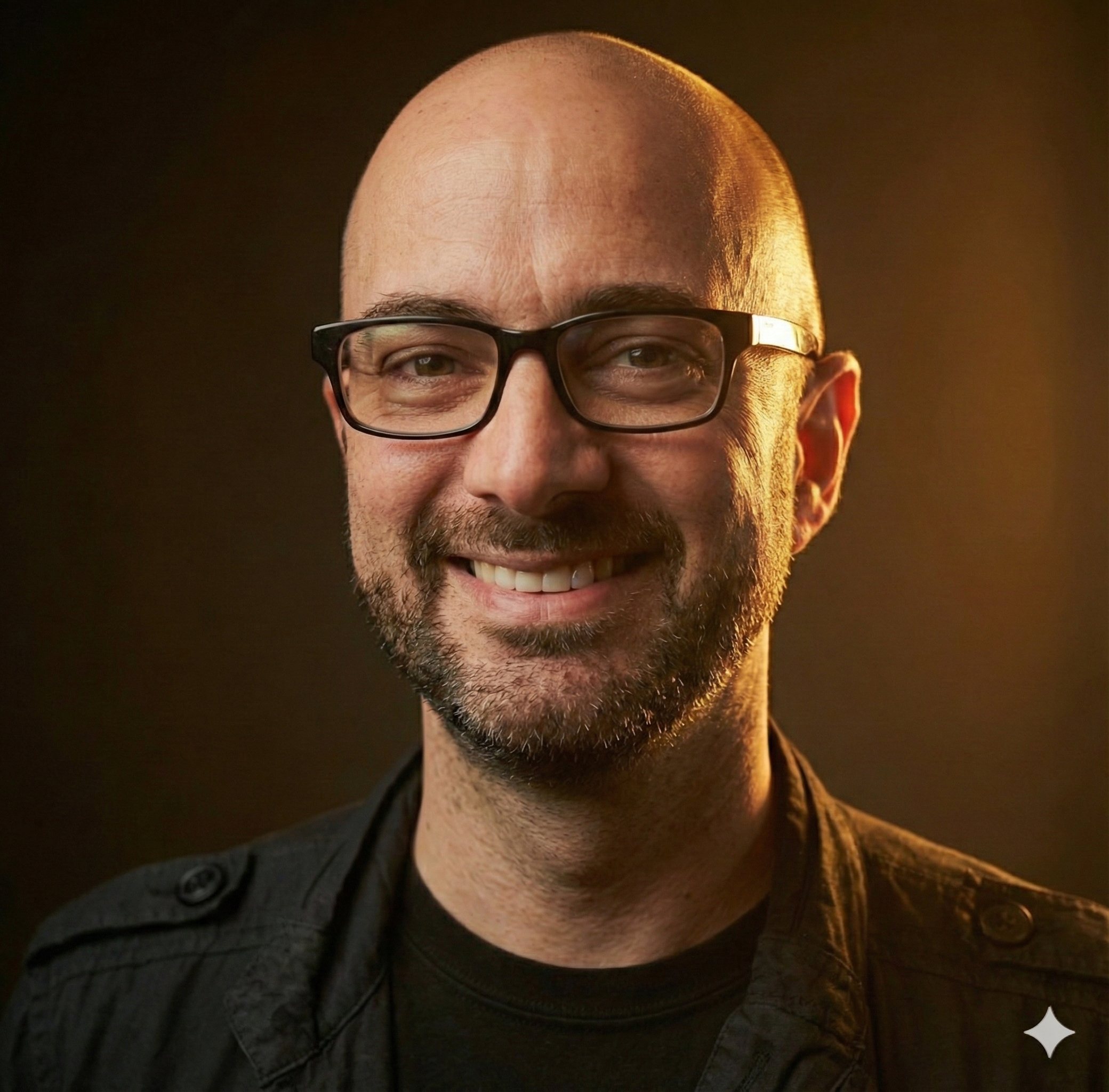
Steve Cronan
Platform & Media
Founded and bootstrapped 5th Kind — the collaboration backbone behind major film, TV, and gaming productions — through acquisition.
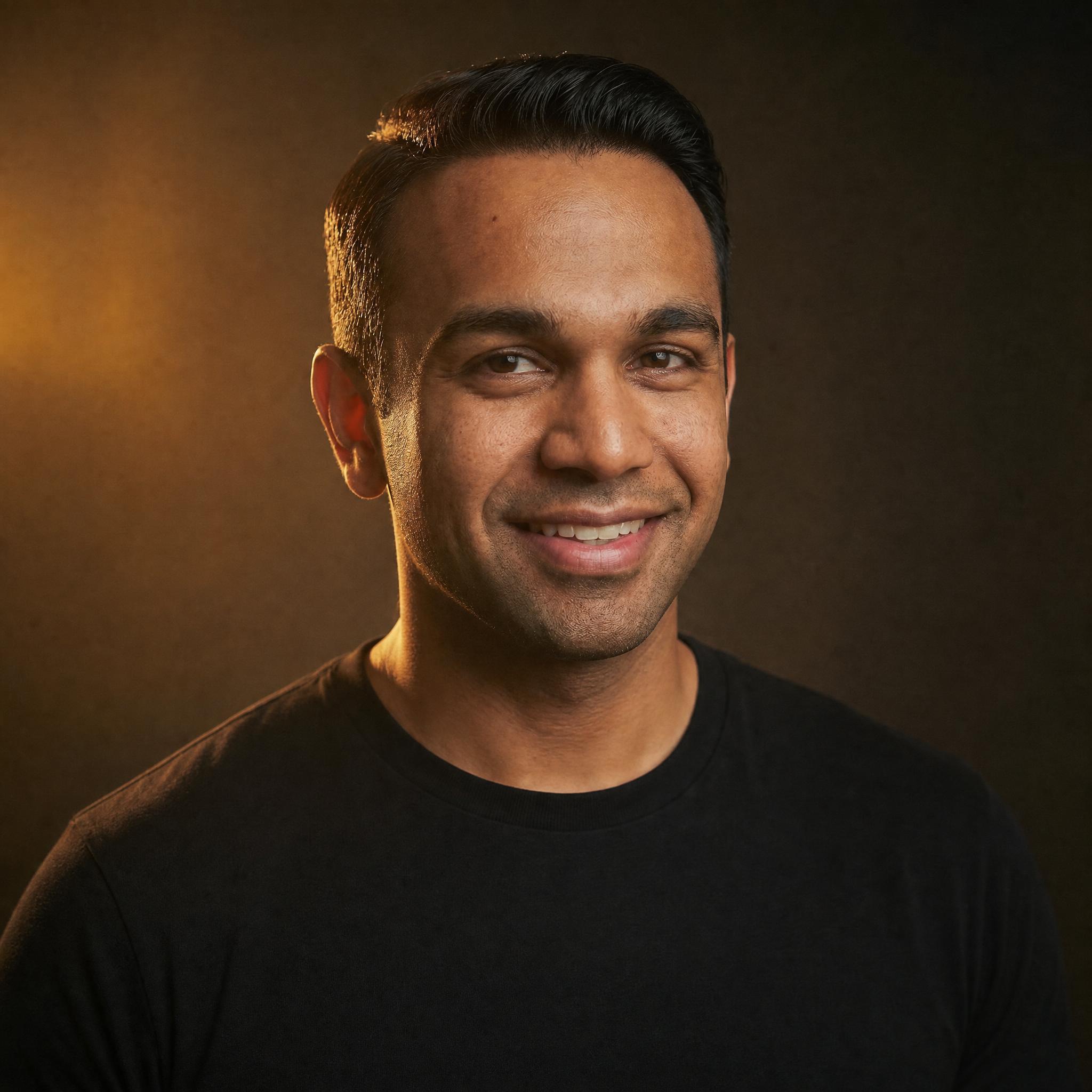
Ram Venkat
Finance
Semiconductor engineer turned banker turned operator; $30B+ raised at Citi, CFO/COO through a successful exit.
Now Raising
Request Investor Materials
Detailed materials — the business plan, financial model, and terms — are shared directly. Leave your email and we'll be in touch, or reach out through your Being Human contact.