For Investors
A Modular Product Platform
What we build for the centre becomes a product line. Every component is designed to work in the Luminary space, in a franchise, and in homes.
What we build for the centre becomes a product line. Every component is designed to work in the Luminary space, in a franchise, and in homes.
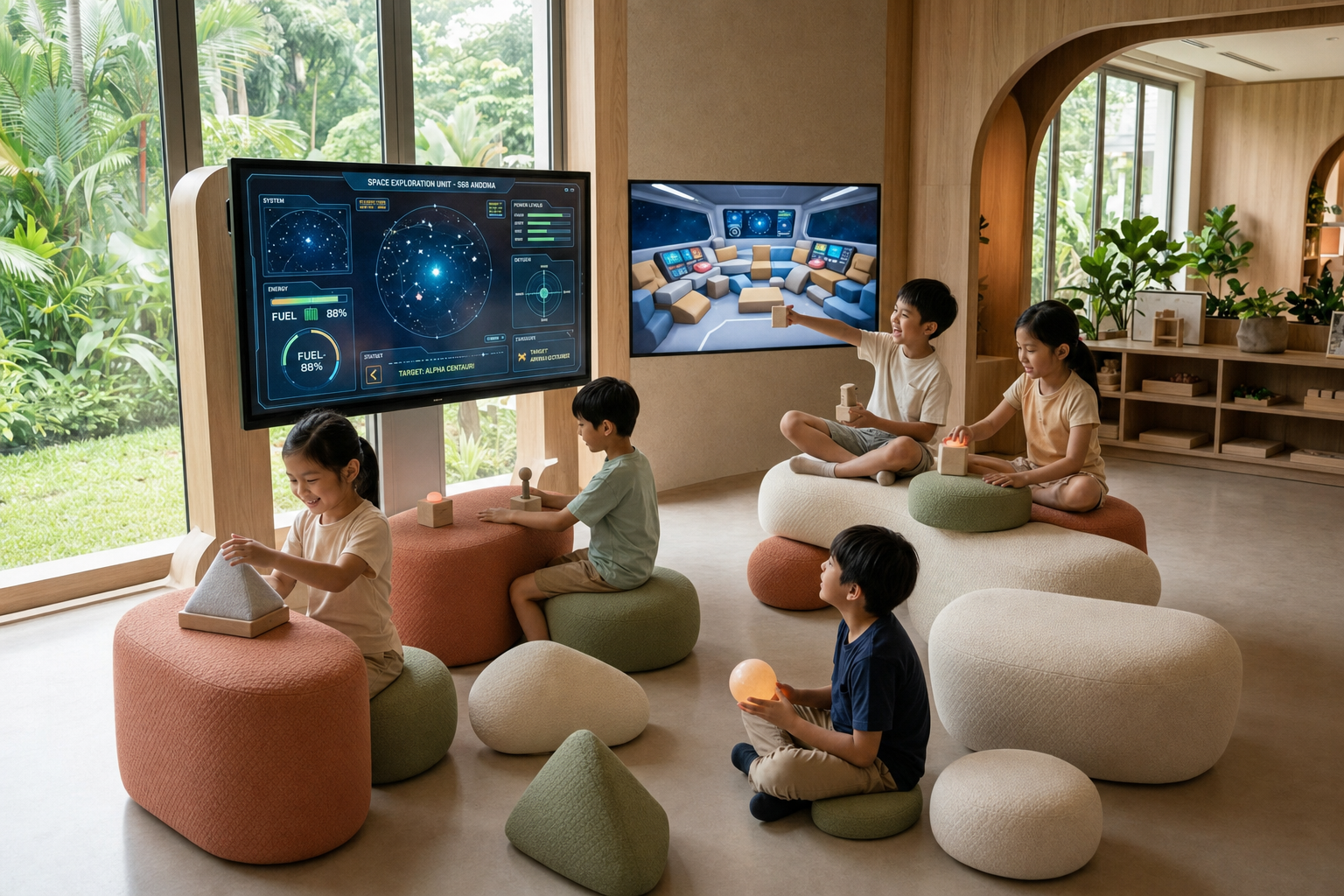
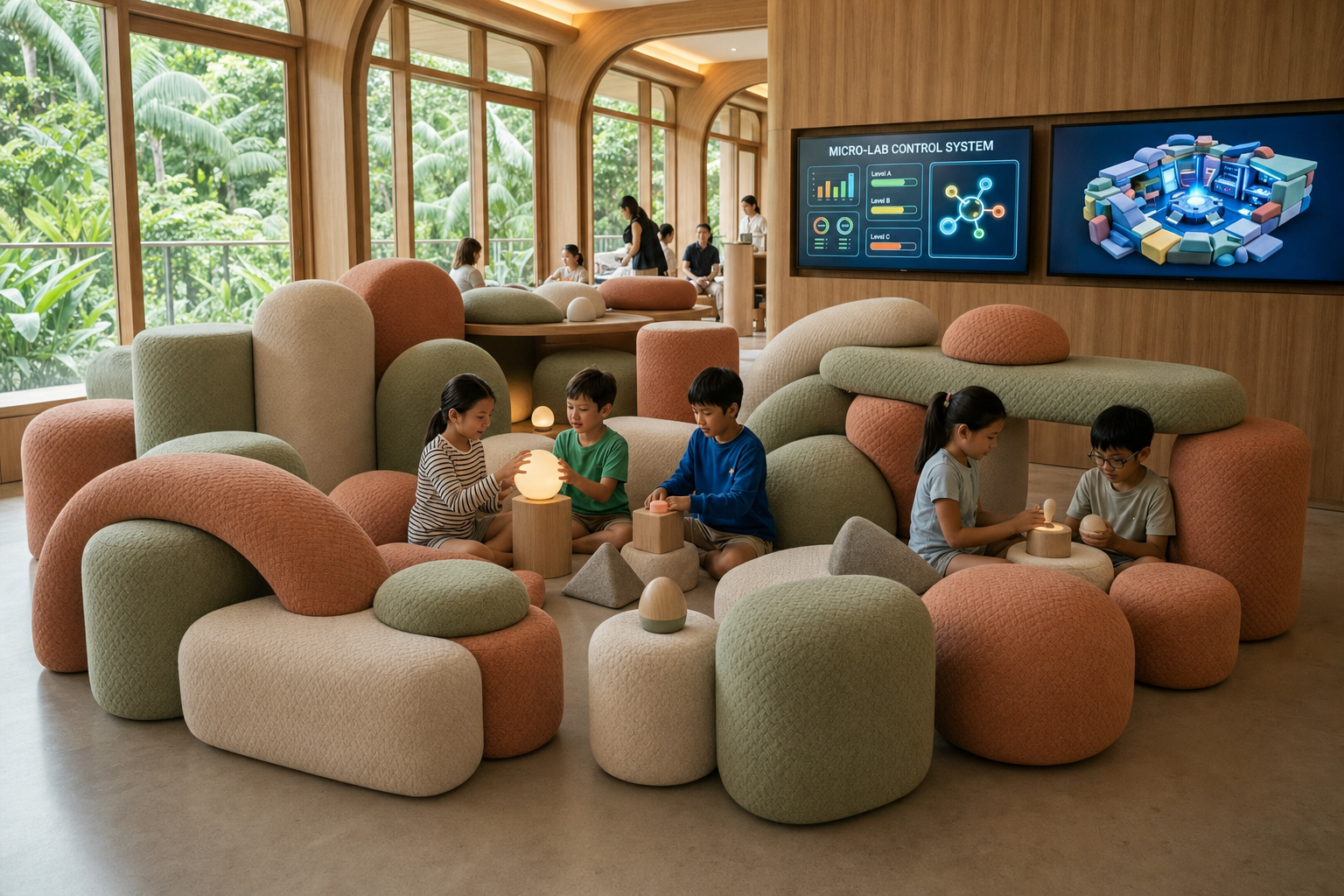
The Luminary enrichment centre is a product showroom. Every parent who walks in sees the furniture, watches their child interact with the AI, and takes home an artifact. The centre validates demand, generates design feedback, and creates a customer acquisition funnel — all while generating session revenue. The capex isn't a fit-out cost. It's product R&D.
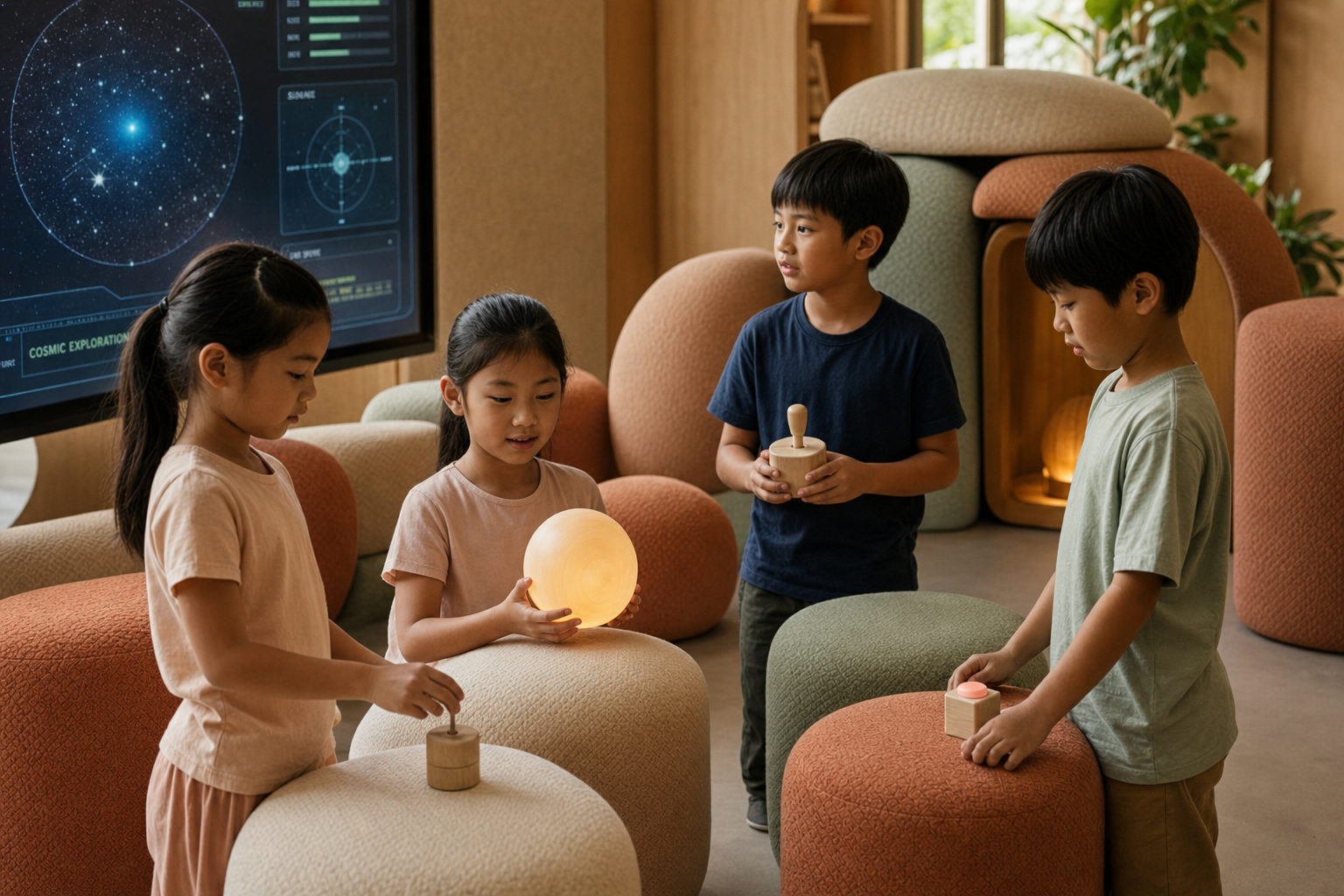
The physical foundation. Modular, reconfigurable, beautiful.
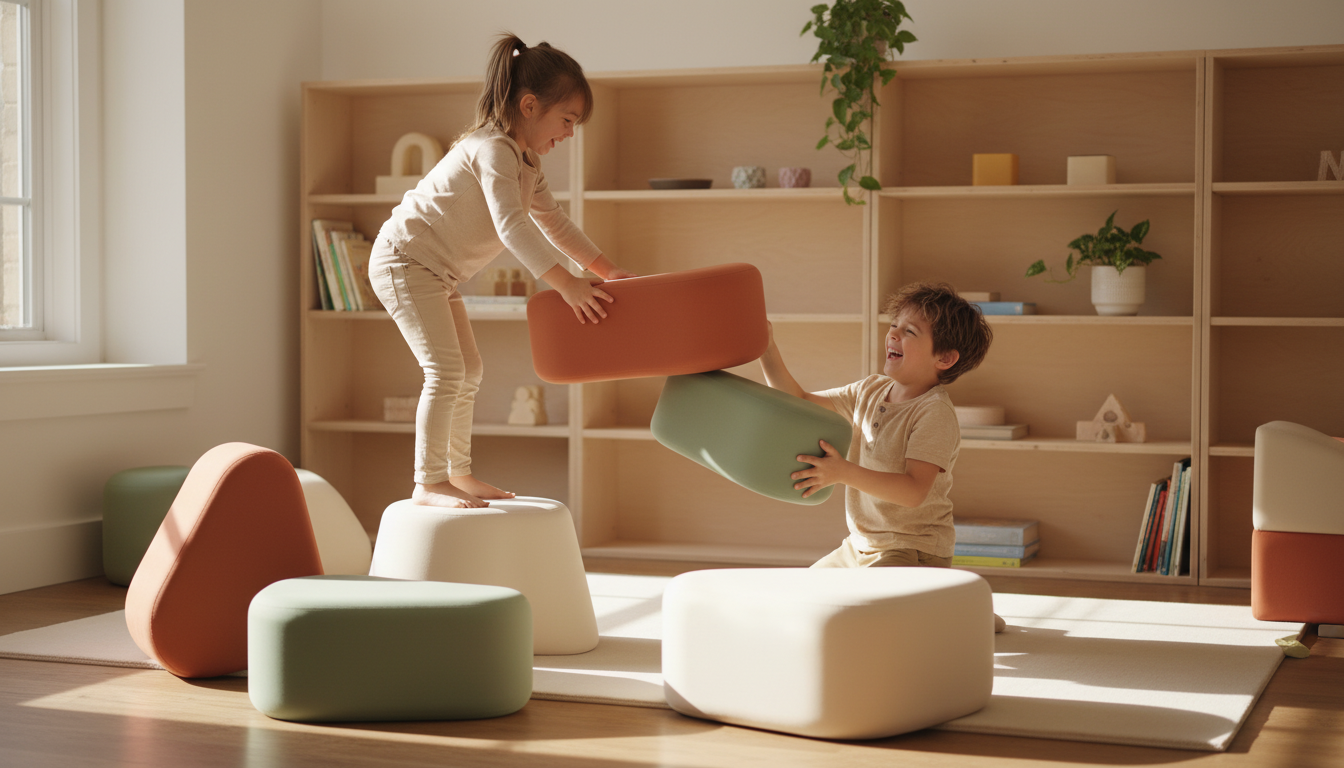
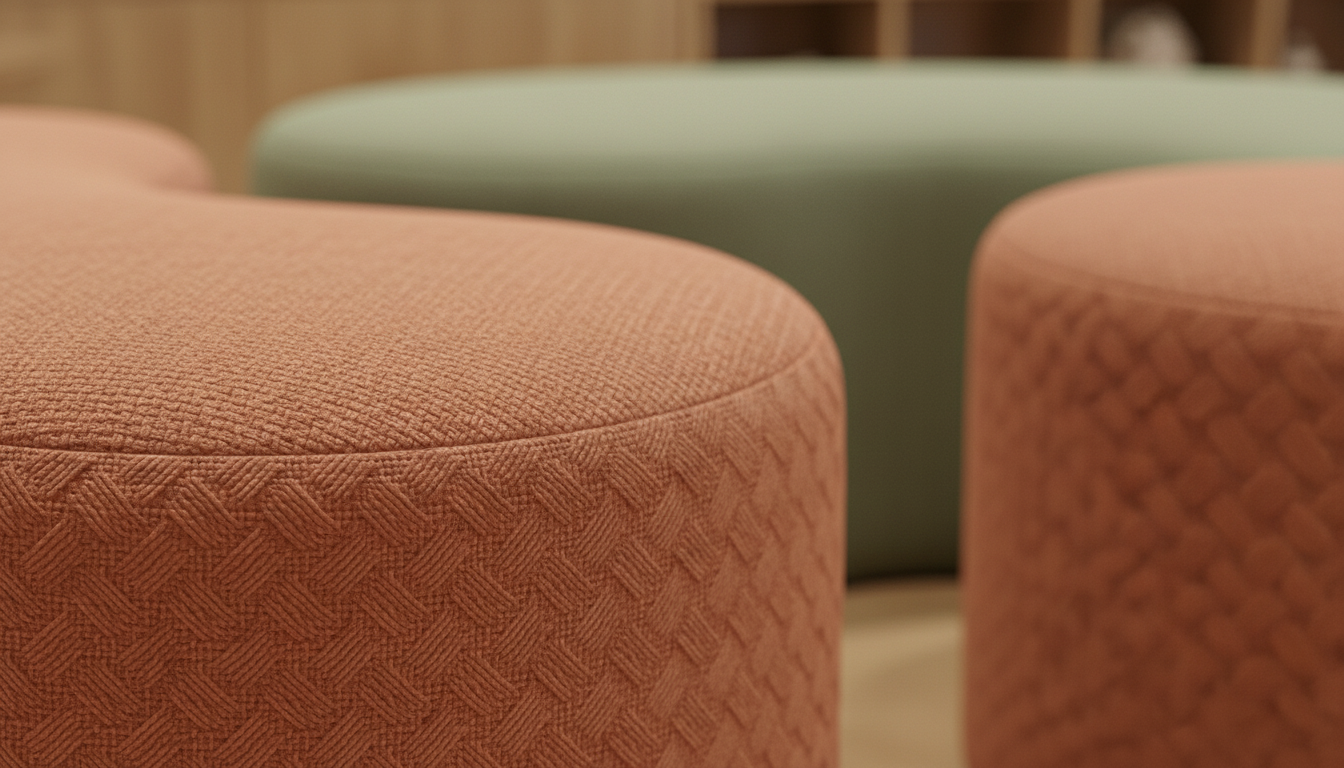
Organic foam modules in kidney, stone, stump, and arch shapes. Warm fabric covers over high-density foam. Same design language whether in a Luminary centre, a franchise location, or a child's living room. Kids build forts, create landscapes, and stack worlds — and when the Luminary Primitives are placed on them, the furniture comes alive.
40–55 modules per location. The core play surface.
Ships in crates. Modular design means no custom build-out.
12–20pc starter sets. Premium DTC play furniture.
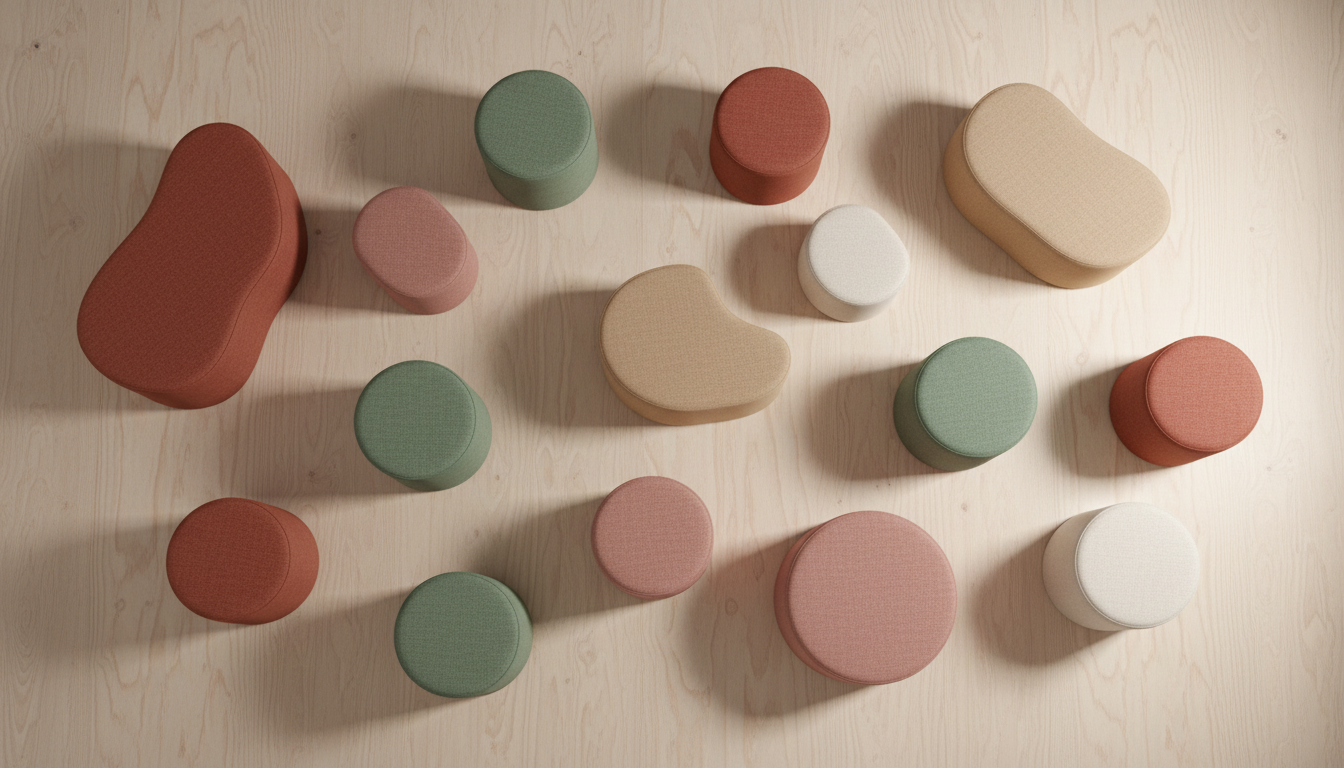
Abstract, tactile, modular devices that act as inputs and outputs within a shared system.
Simple wooden and felt objects — orbs, cubes, pyramids, domes — that children touch, twist, shake, and press. Each primitive is a sensor and actuator. When placed on or near the furniture, they bring the environment to life. Light changes, sounds respond, the shared system on screen reacts. Understanding emerges through participation, not explanation.

Touch-responsive, emits light and color signals
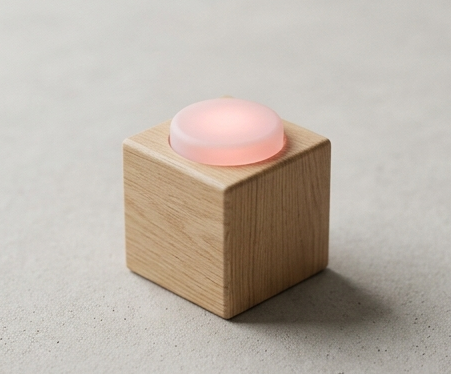
Touch-responsive, emits light and color signals
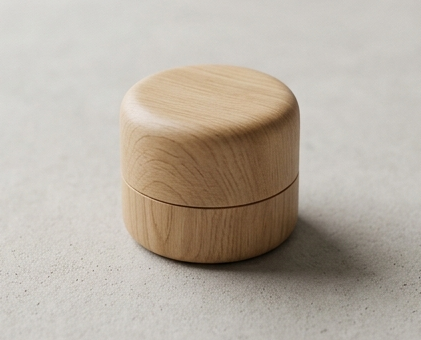
Rotational input
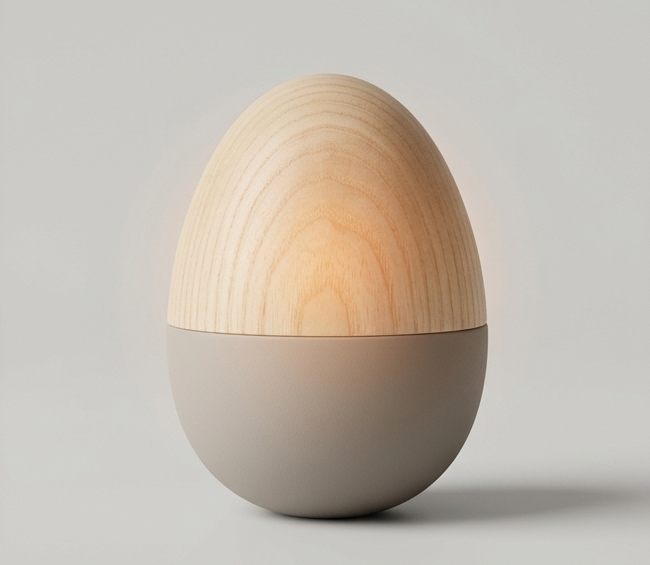
Kinetic input: shaking, tapping, rhythm
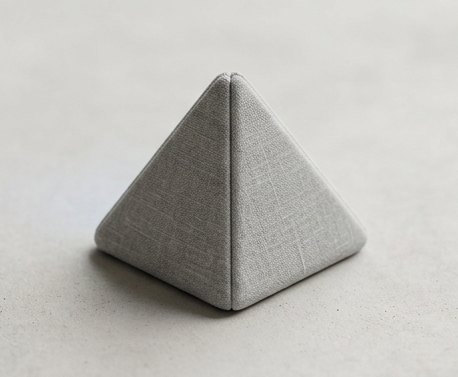
Audio I/O and haptic output device
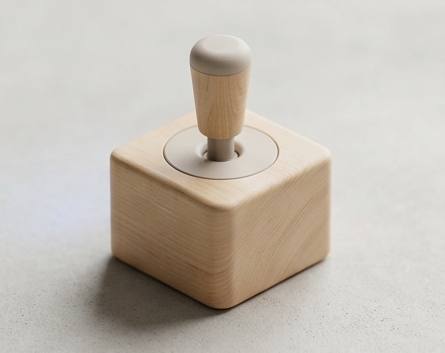
Directional input for continuous control
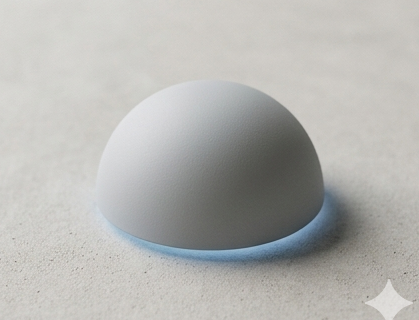
Responds to hand presence and distance
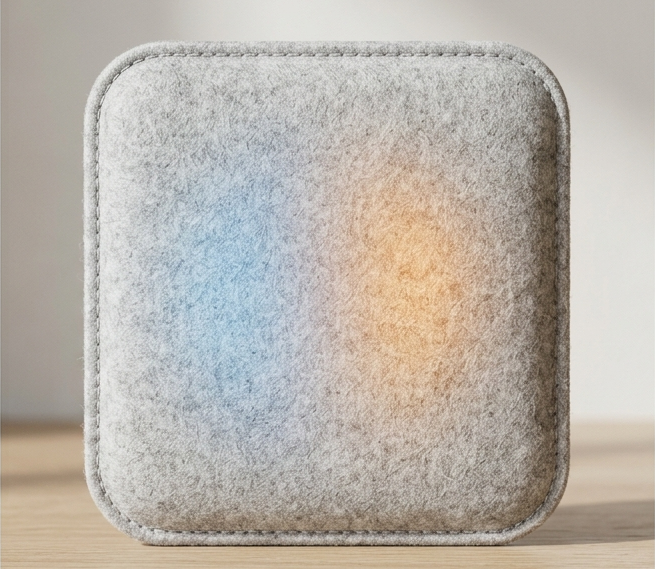
Thermal output: gently warms or cools
From simple primitives to more expressive control. The same collaborative system can be experienced through different forms of interaction.
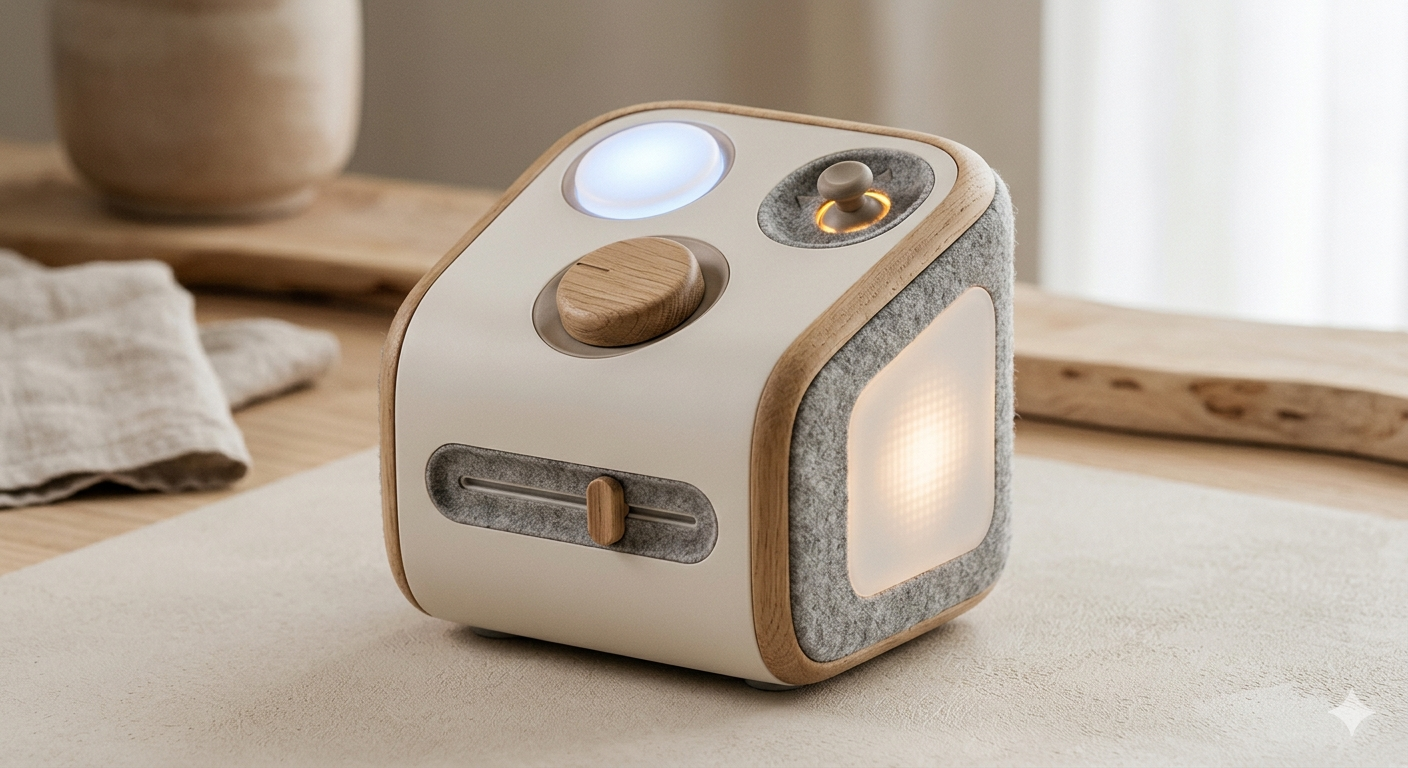
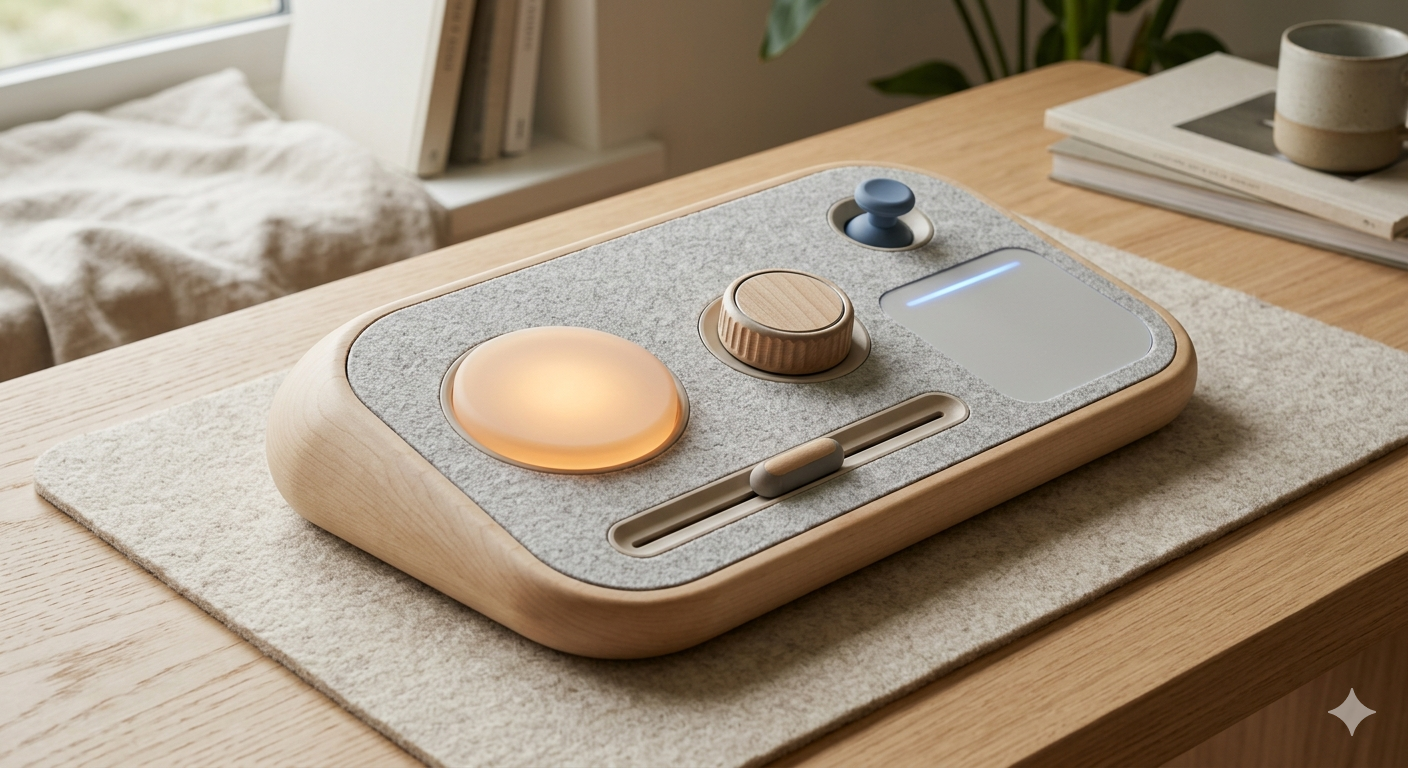
Kids bring their worlds home. The centre experience extends into daily life.
Short-throw projectors fill walls, ceilings, and arch openings with the child's created Luminary worlds. At the centre, 24–31 ceiling projectors create full immersion. At home, a single projector or night light turns a bedroom into a continuation of the session. The worlds carry home via QR code — and the child keeps playing.
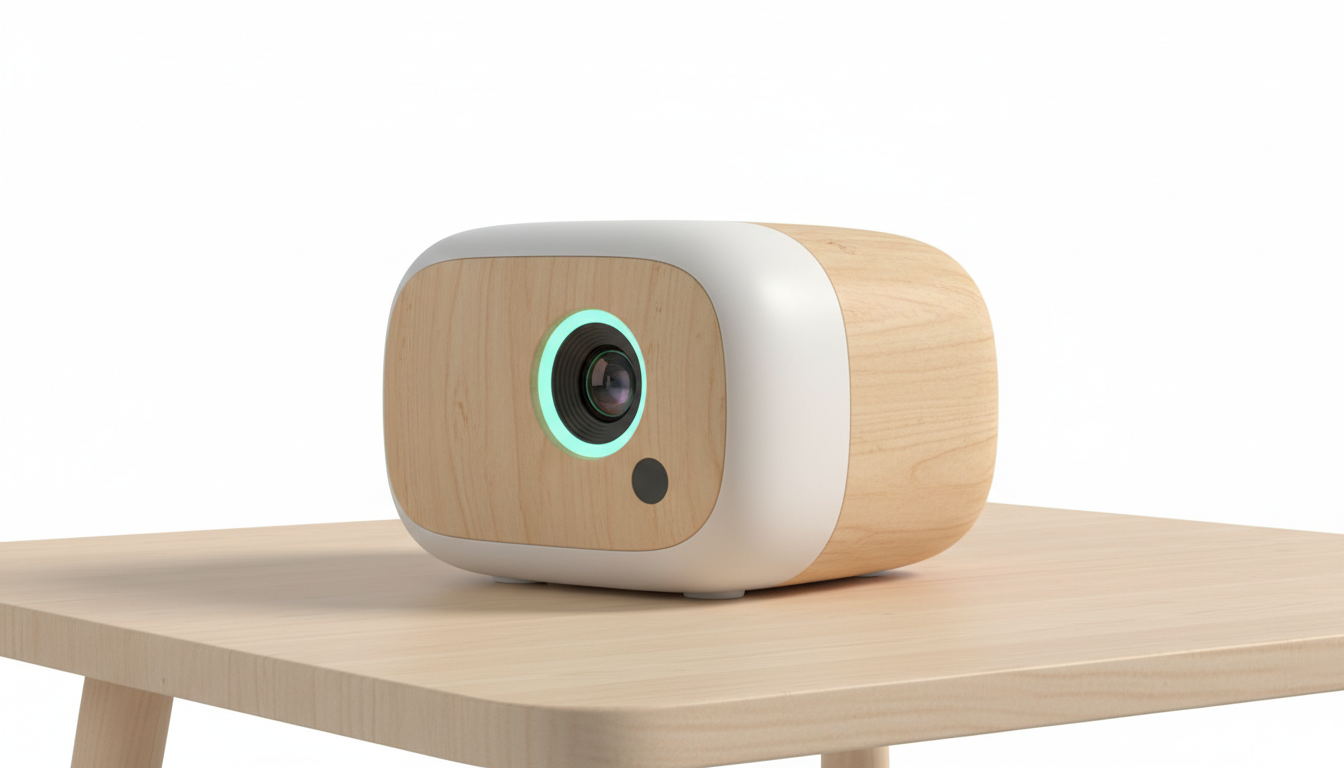
Kid-friendly short-throw projector. Toniebox of immersive play.
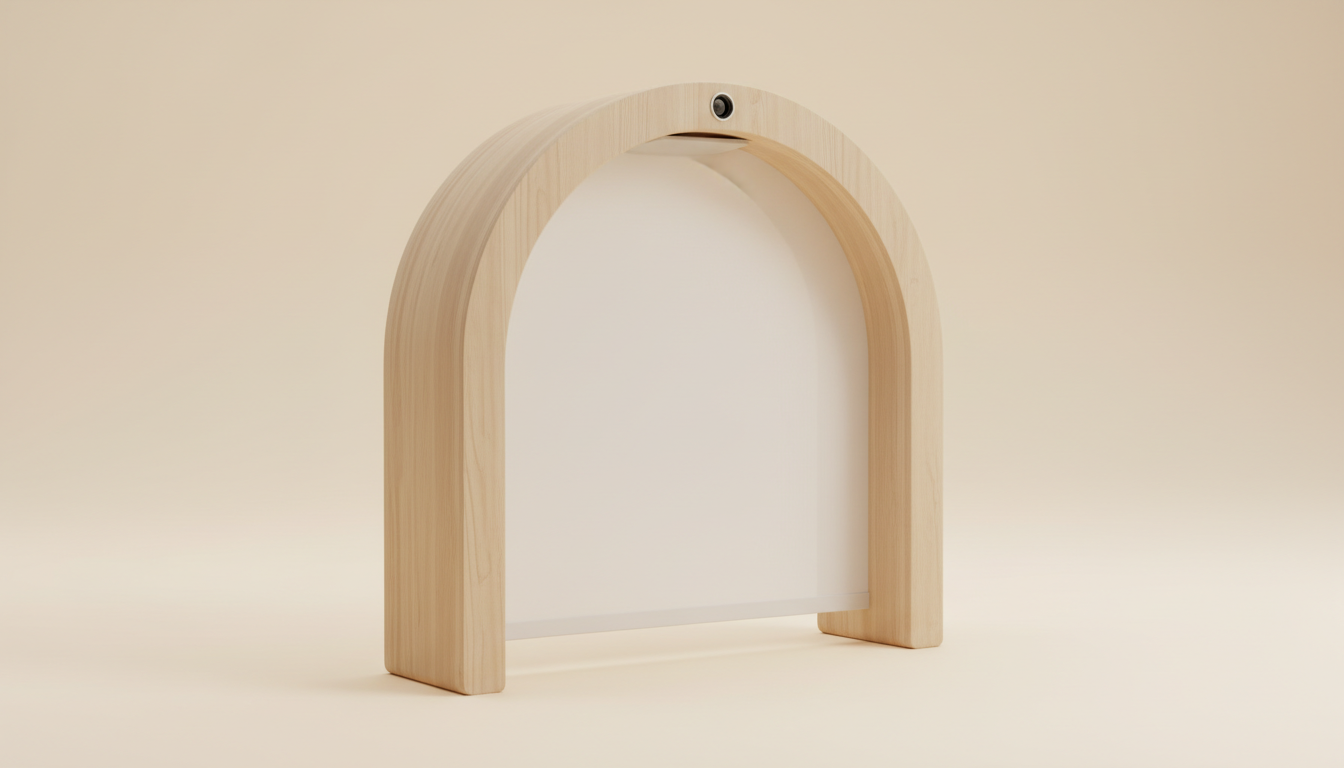
Birch plywood arch with integrated projector. A physical window into another world.
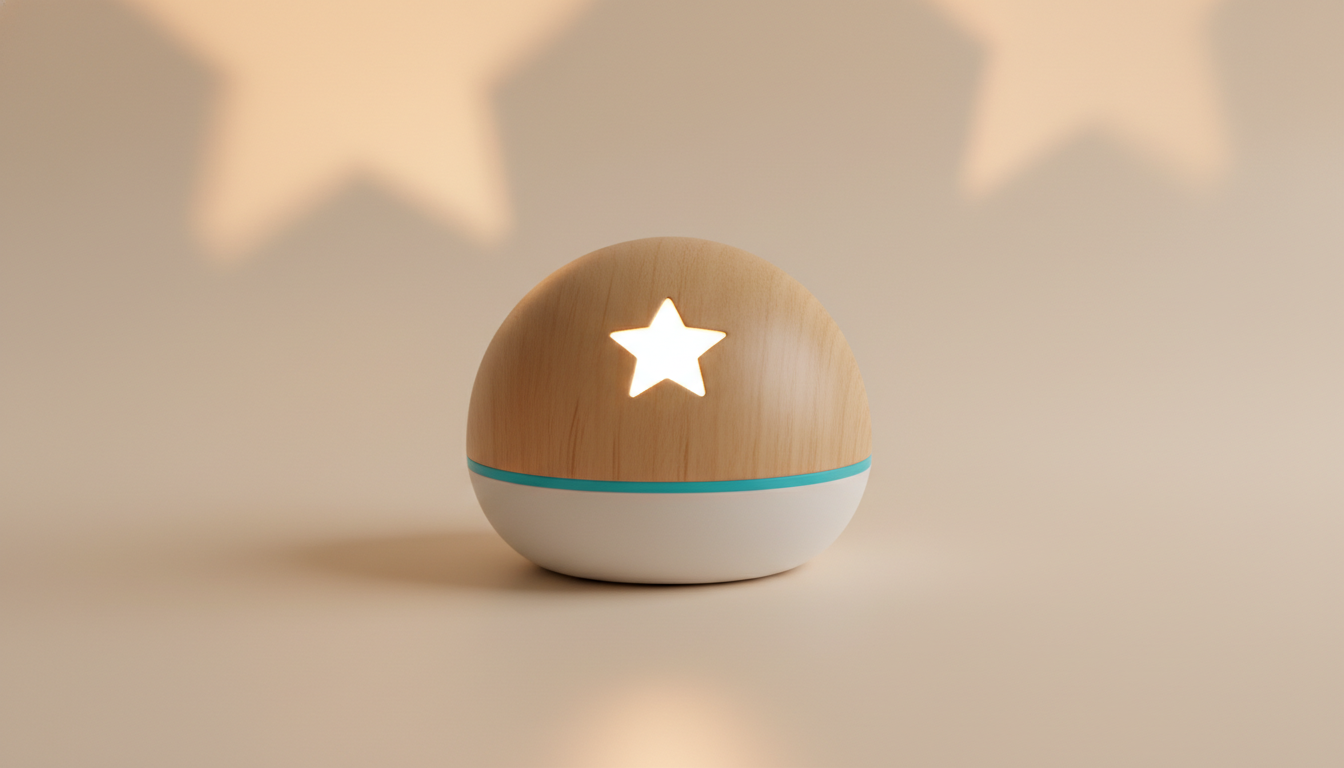
Projection night light cycling through their created worlds. Ambient bedroom art.
Also in development: Sensory Play Mat ($150–300) — interactive floor surface extending the immersive environment.
The AI thread between sessions — and beyond.
The digital layer is what makes Luminary a platform, not just a place. The AI Companion (Spark) lives on the child's device, continuing the relationship between visits. WonderCast generates unlimited personalized audio stories set in the child's worlds. Seasonal content packs keep the experience fresh. The Creator Marketplace lets kids share and remix worlds.
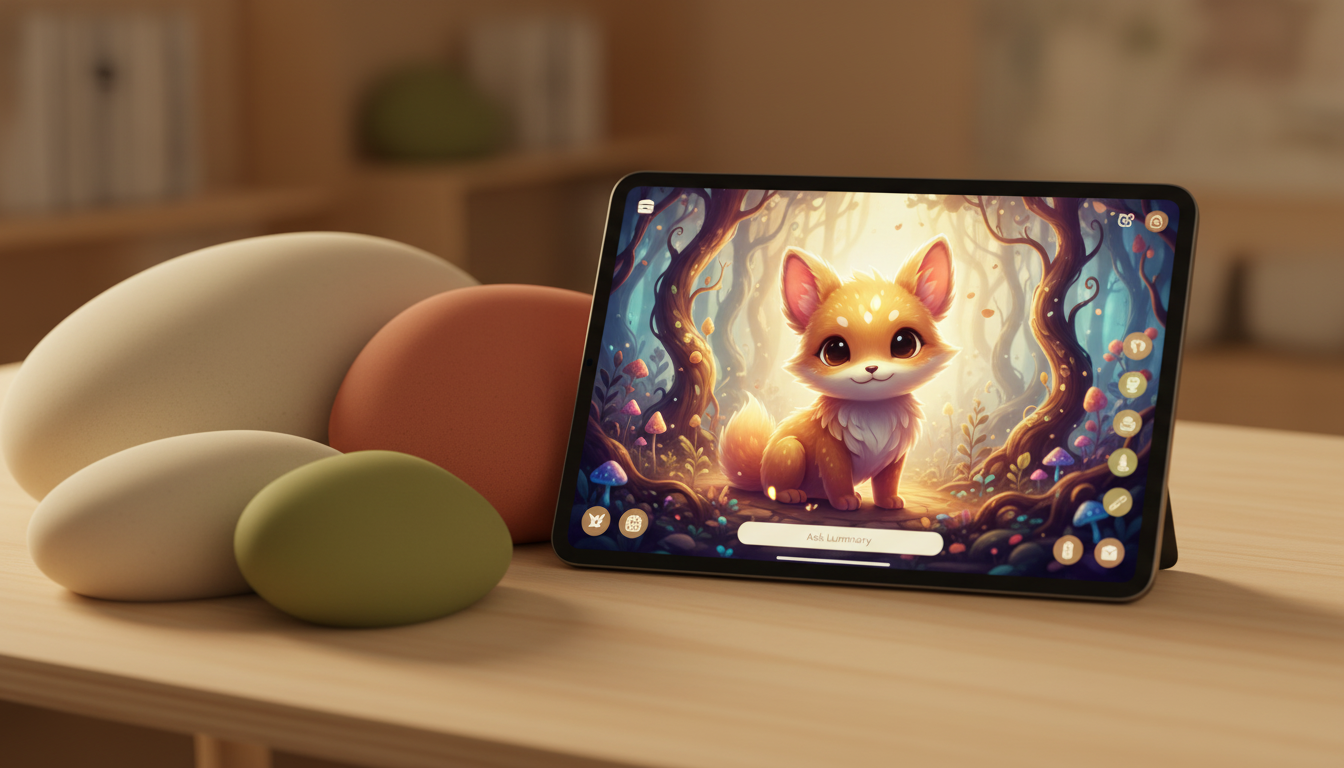
Spark is always with them. The digital thread between sessions.
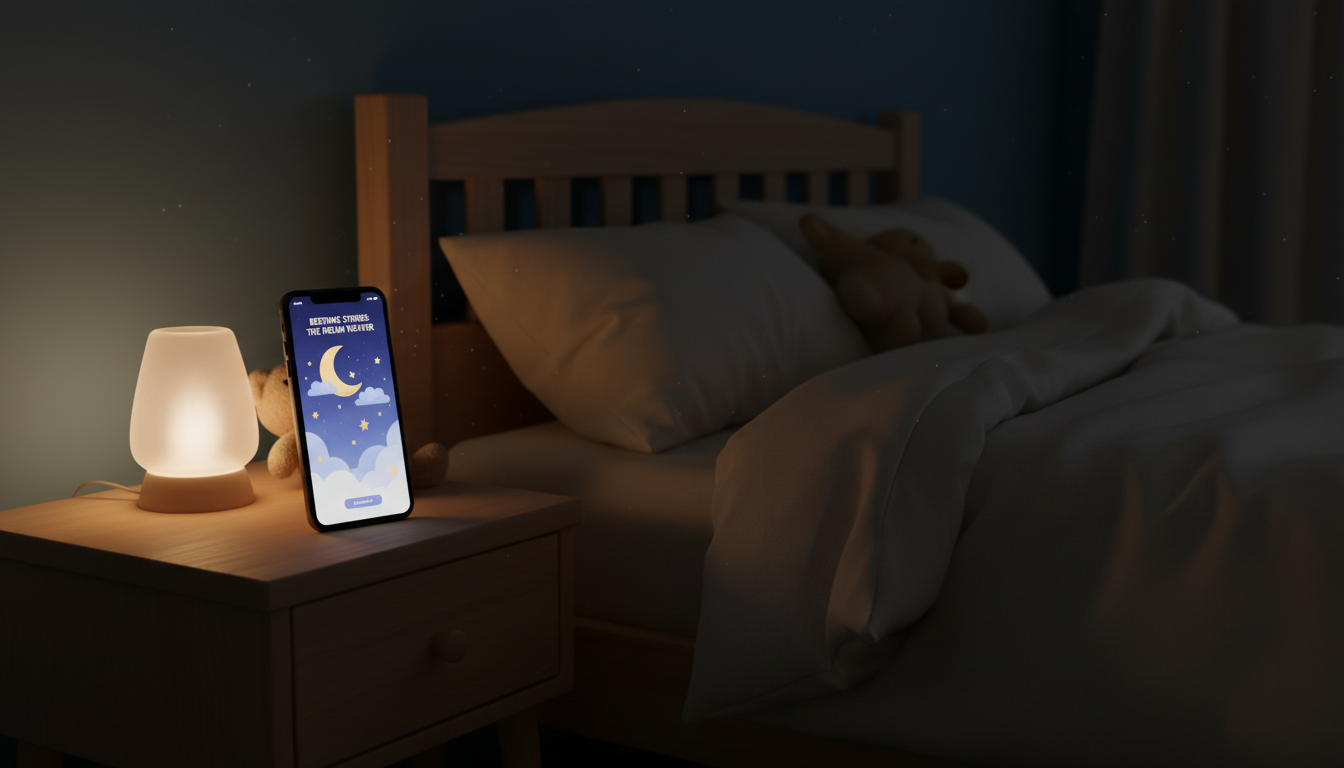
AI-powered personalized audio storytelling. Unlimited bedtime adventures in their own worlds.
Brand extensions that extend the world.
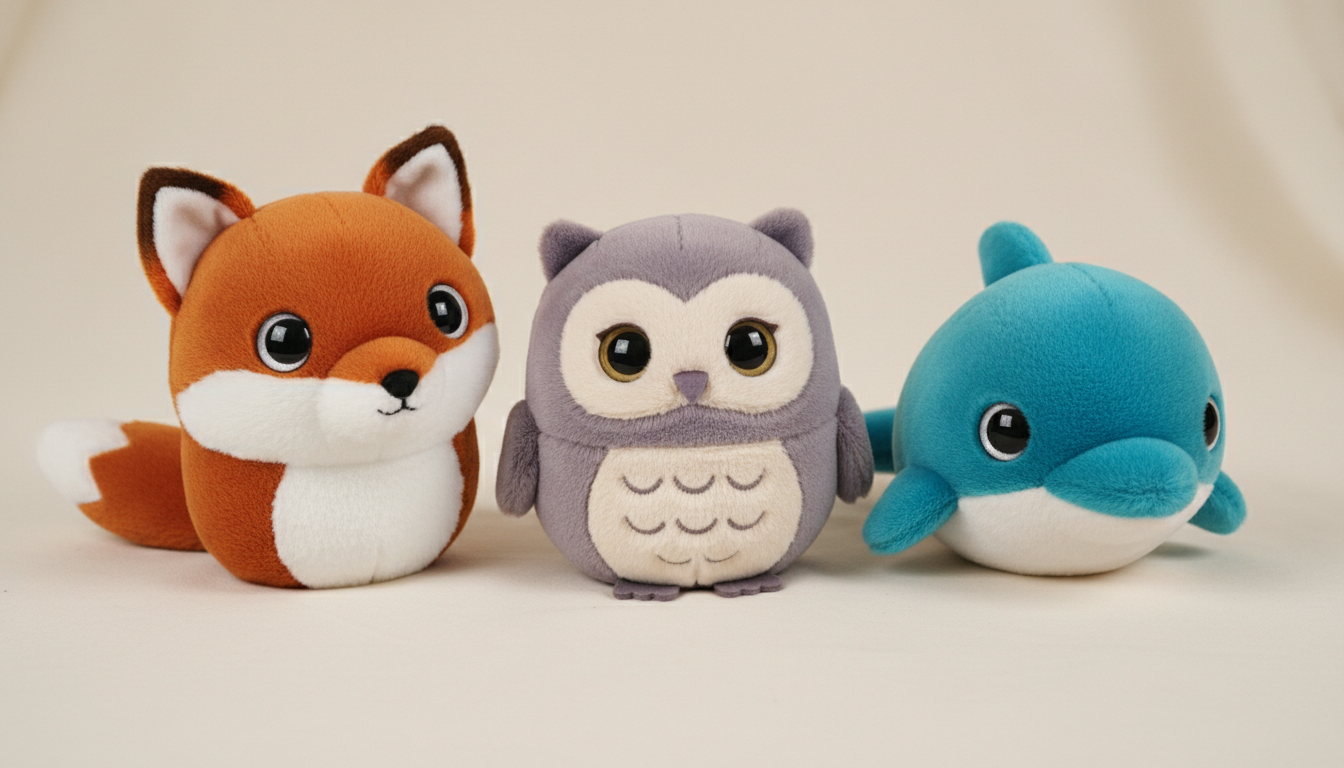
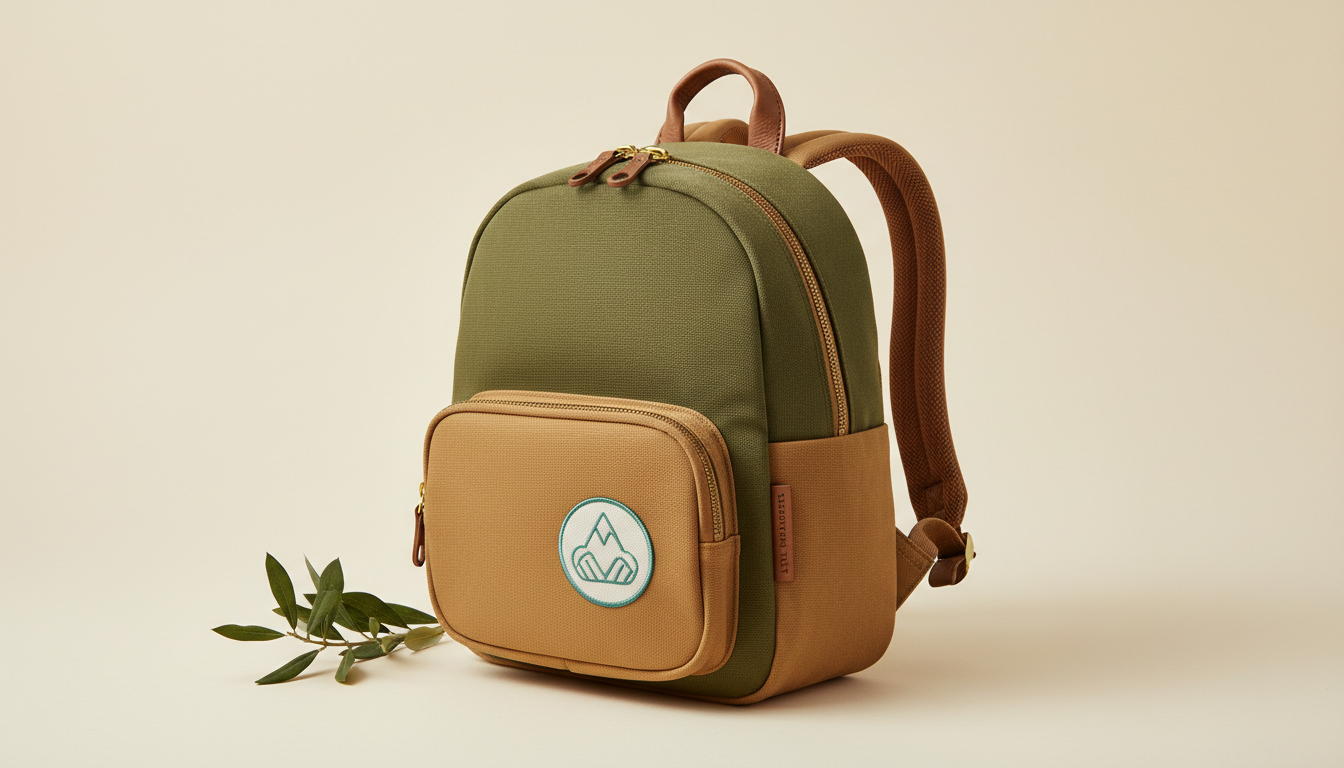
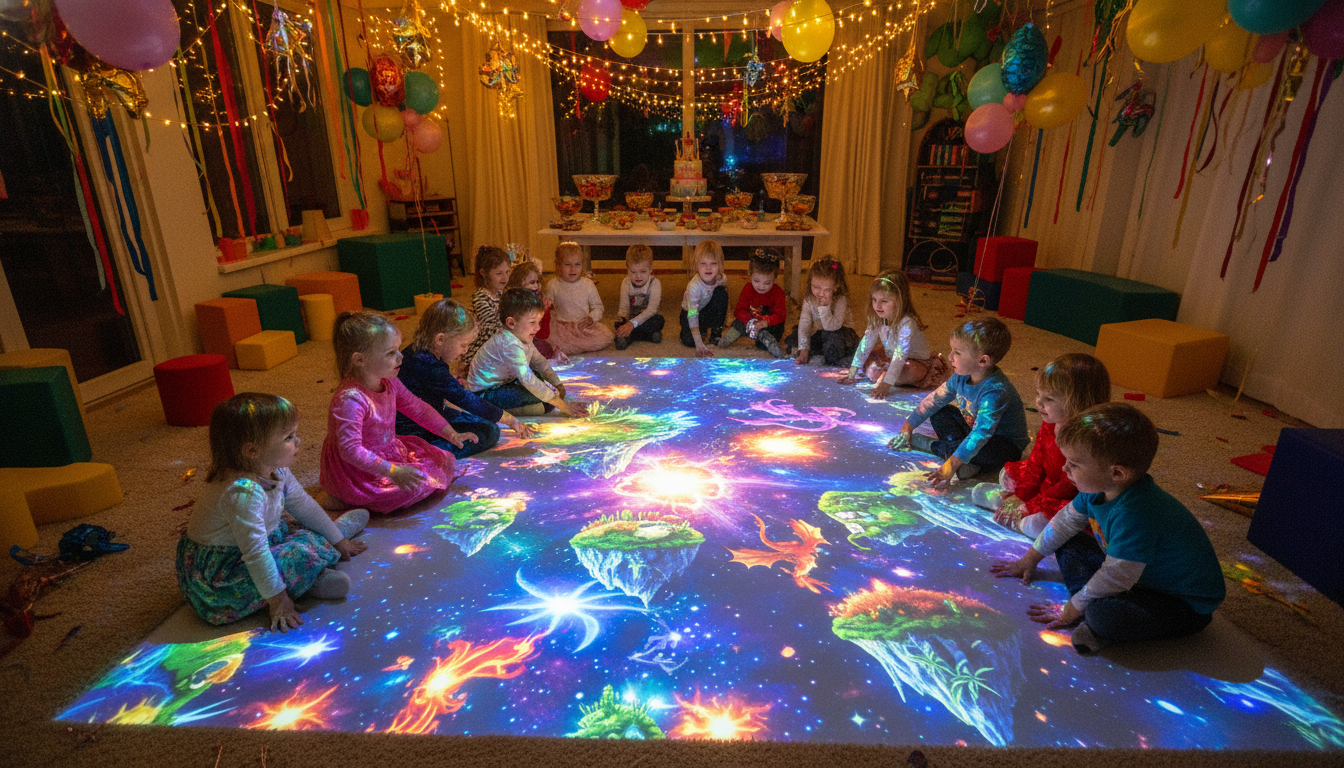
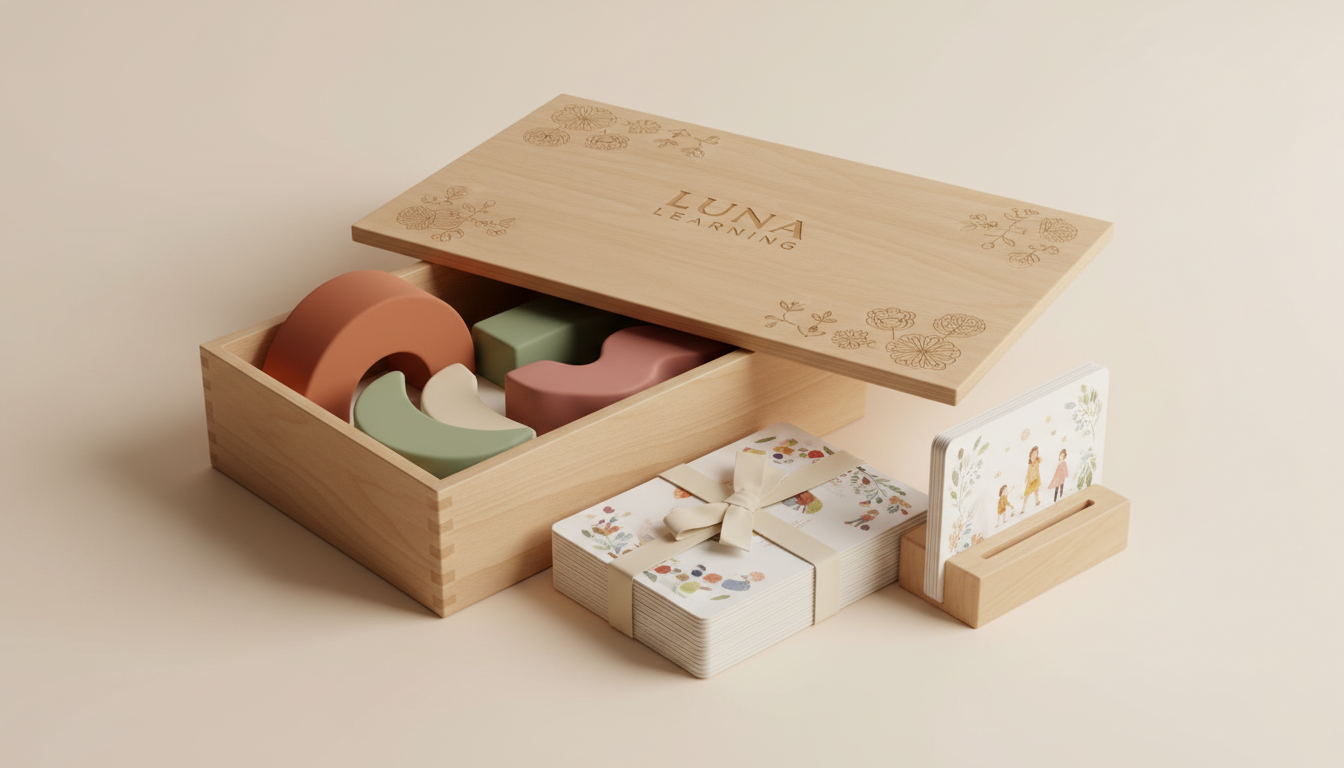
Physical products that let kids carry Luminary into everyday life. Plush companions with NFC chips. Explorer's backpacks in Luminary earth tones. Birthday party kits with mini projectors and foam blocks. Curriculum kits for schools. Every item is a brand touchpoint and a customer acquisition channel.
Physical-digital crossovers that deepen the creative experience.
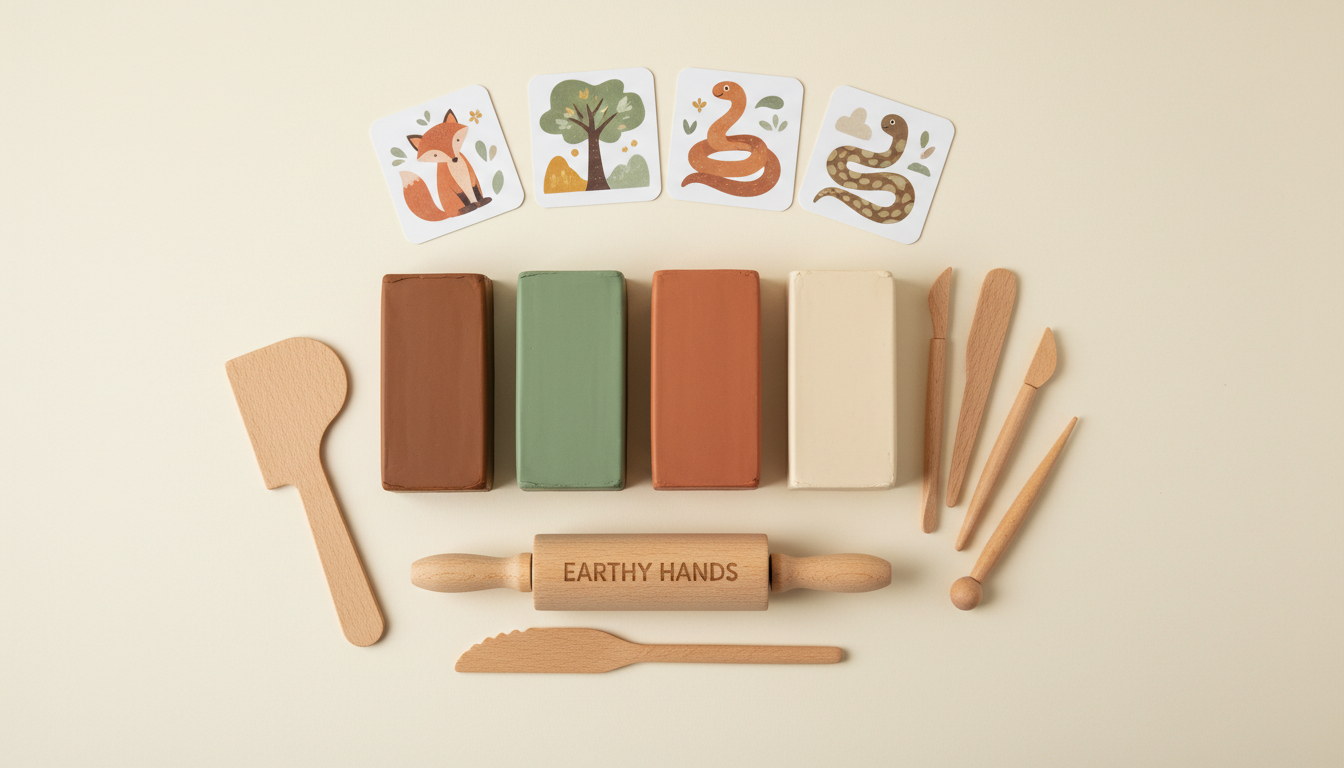
Shape it. Scan it. See it live.
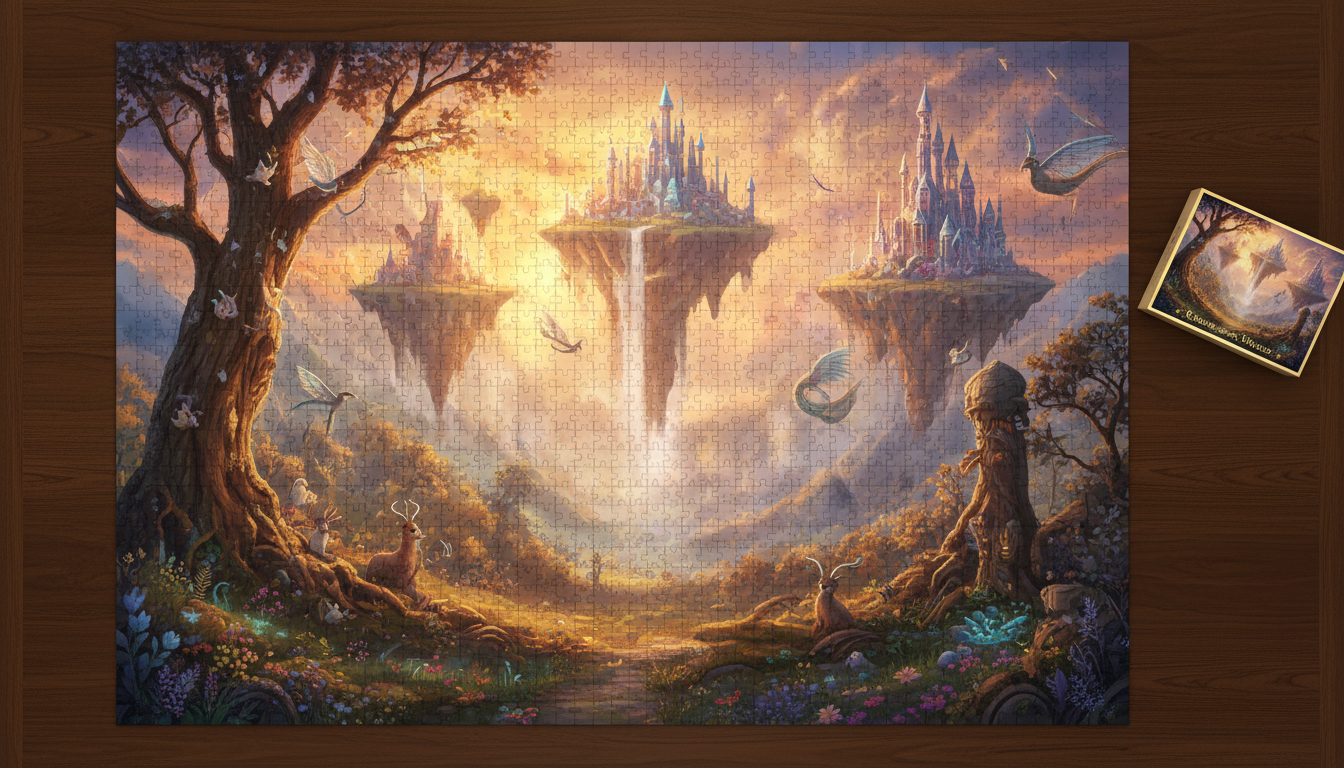
Build the world, piece by piece.
Modular device sets: classroom kits, institutional installations, home kits
Software-driven experiences: themed scenarios, curriculum modules, ongoing releases
Luminary flagship centres, pop-up installations, ticketed experiences
Corporate team training, museums and science centres, innovation labs
Each new scenario expands the platform — without new hardware.