The System
A product, designed to deploy anywhere.
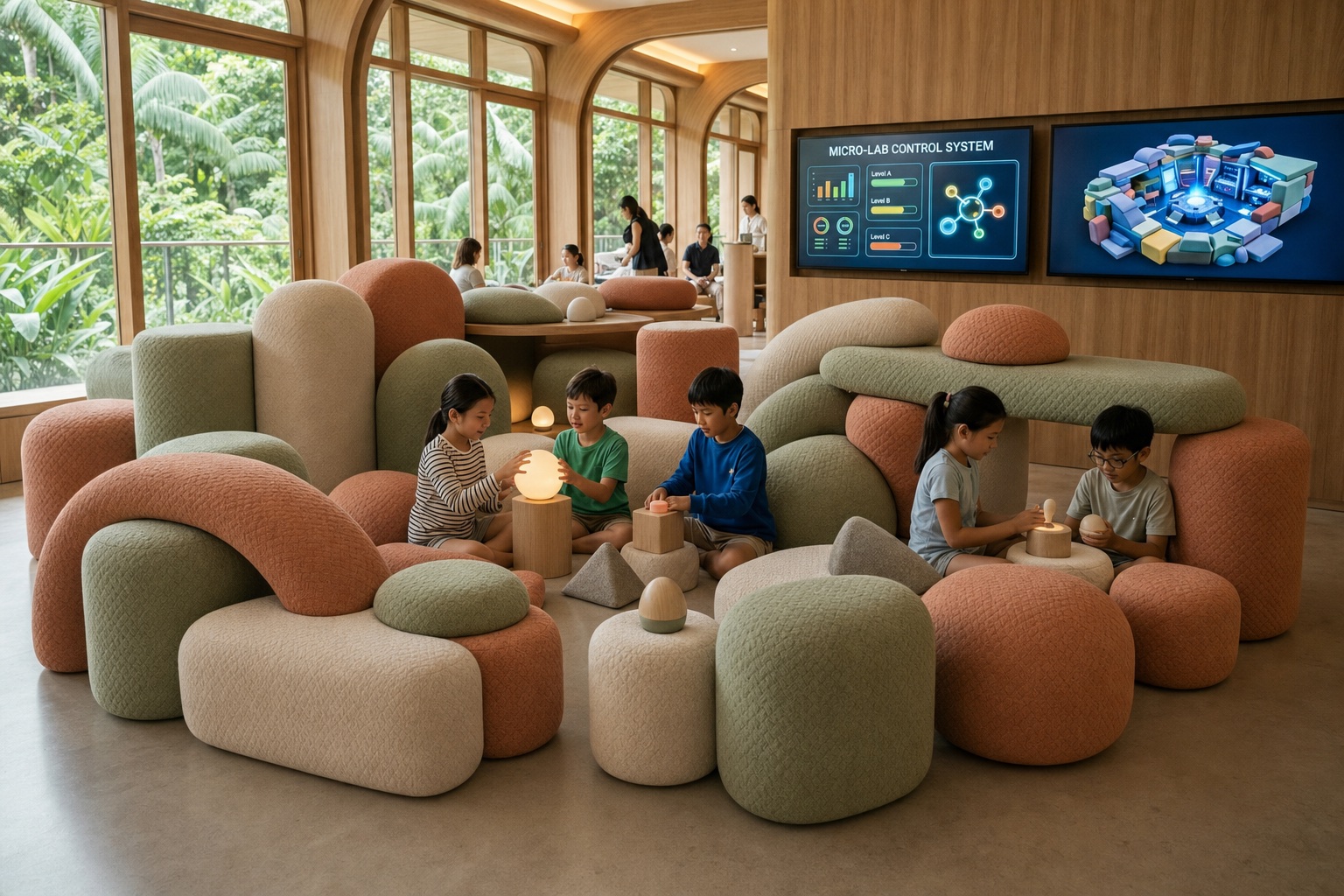
Luminary is built as a product. Every device, block, panel, and projection is manufactured to the same standard and ships as a complete kit — so the same experience runs at home, in a school, in an enrichment centre, or in our flagship.
Five Layers, One Platform
One system behind every world
Four families are made by hand; one is software. Because every component is designed for manufacture, the same kit configures for any space.
Luminary Primitives
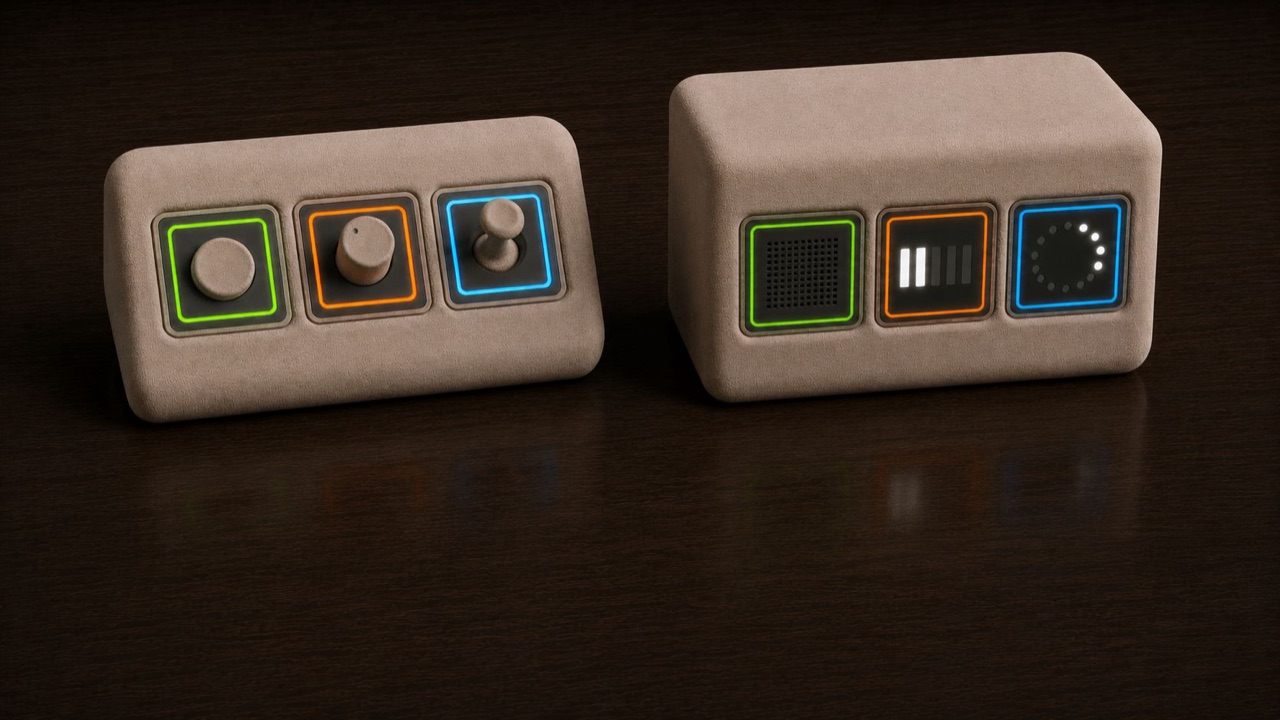
The controls of world-building: eight tactile devices, each exposing one interaction — press, turn, steer, glow. Simple in a child's hand; the software decides what each one means in every world.
Furniture Primitives
The soft building vocabulary children make worlds from — cubes, cylinders, arches, wedges. Smart inside: embedded IoT tells the platform what was built, where, and who's near it.
The Modular Environment
The room itself is a product: standardised panels with integrated lighting that flat-pack, ship in crates, and install anywhere by a small crew. The same design becomes a corner, a room, or a centre.
Projection & Portal
The immersive layer that turns builds into worlds — sensing what children made and mapping onto it. A wraparound volume at centre scale; a portal and short-throw formats at home.
The Platform
The intelligence behind everything: a simulation engine and AI orchestration that assign meaning to every device and build, run the session, and get smarter with every world created across the network.
The Devices
The controls of world-building
A family of tactile devices that expose the interaction parameters unique to AI and world-building — glow, twist, shake, speak, approach, warm, press, steer. Each maps to something in the world, and its meaning changes with every scenario. The design family is in active prototyping with our manufacturing programme; click any form to explore it.
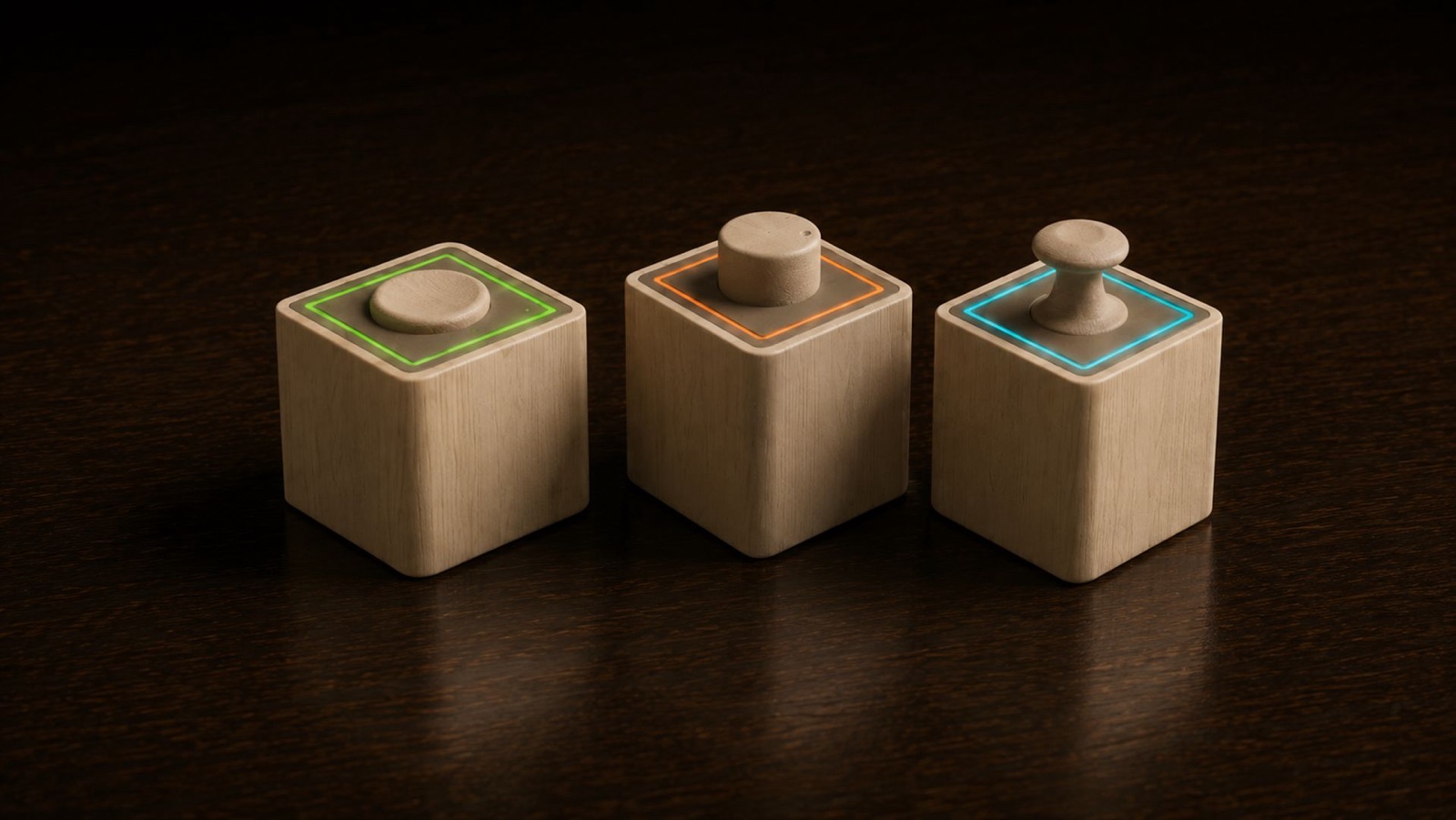
The coloured ring is an RGB identification light — a facilitator can say “press the green one” without printed labels.
A primitive should rarely have a single permanent meaning. The same dial may control engine power in one activity, temperature in another, and an entirely different variable in a third.
Participants should feel as though they are using tools to build and operate systems — not operating educational toys.
How a Session Works
One shared system, operated together
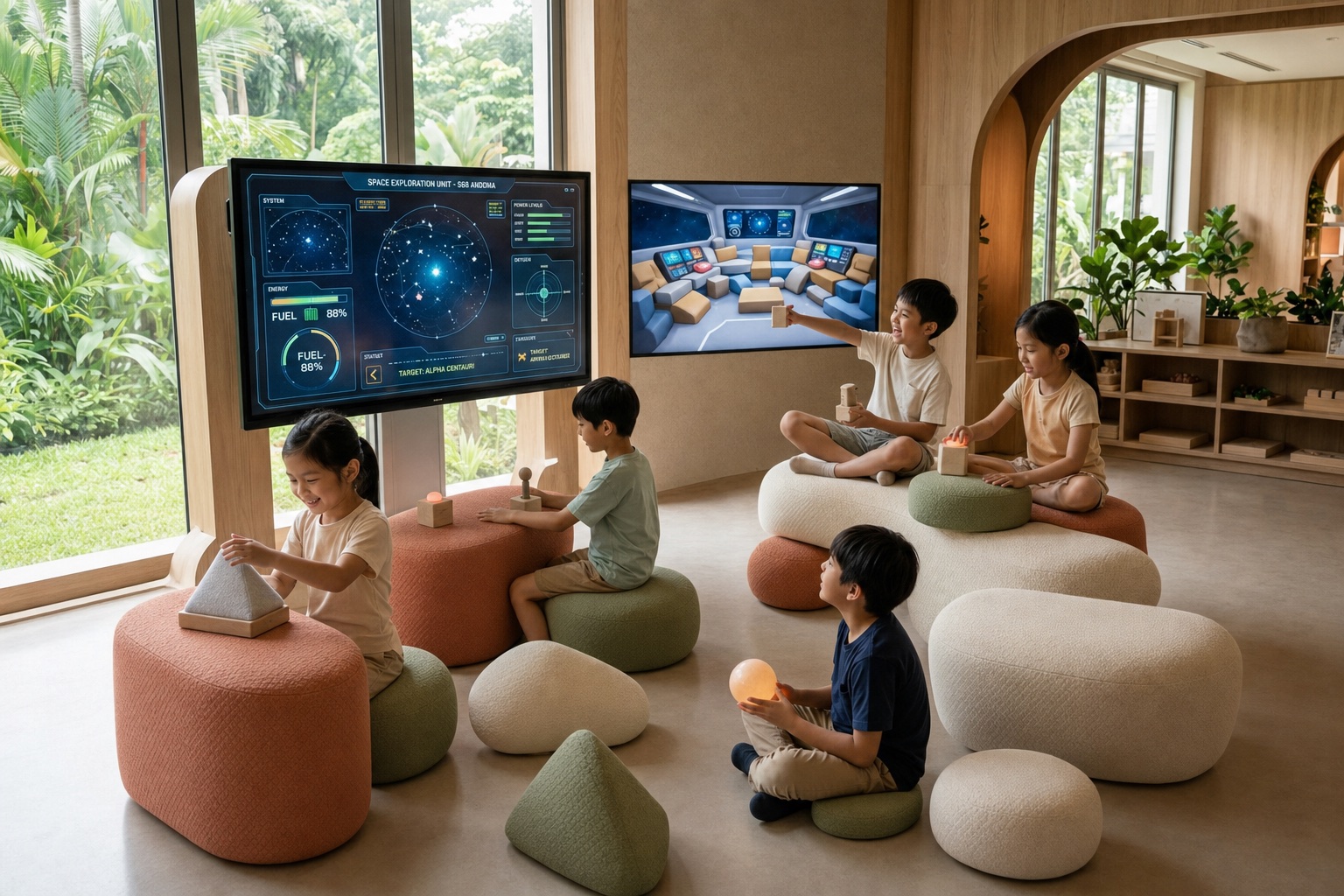
Real-world systems are too complex to understand from a single perspective — so children don't study one. They each take control of a part, and the only way to succeed is to coordinate.
Infinite Scenarios
One system, infinite scenarios
The same devices and mechanics simulate entirely different systems. New scenarios are software — the platform expands without new hardware.
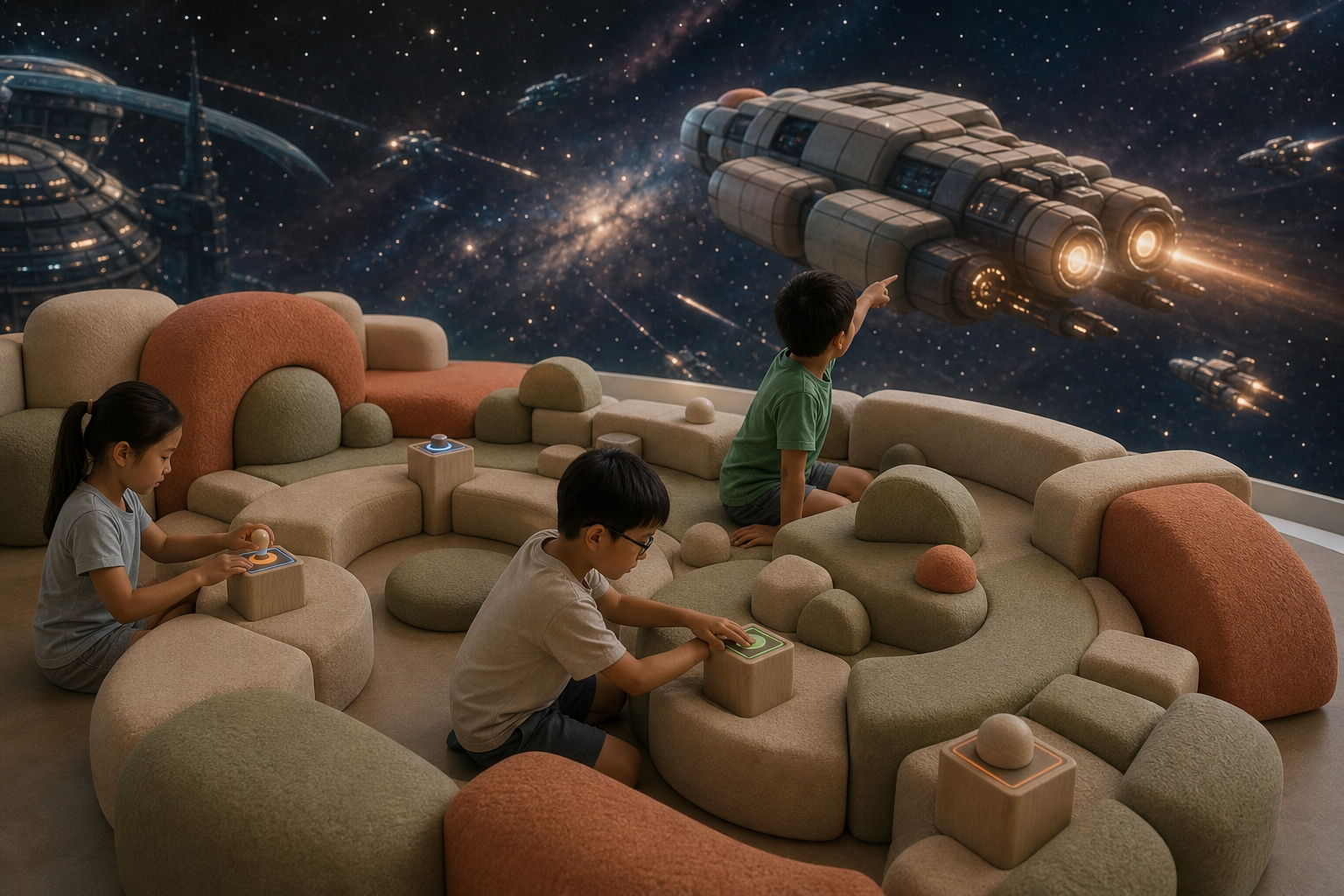
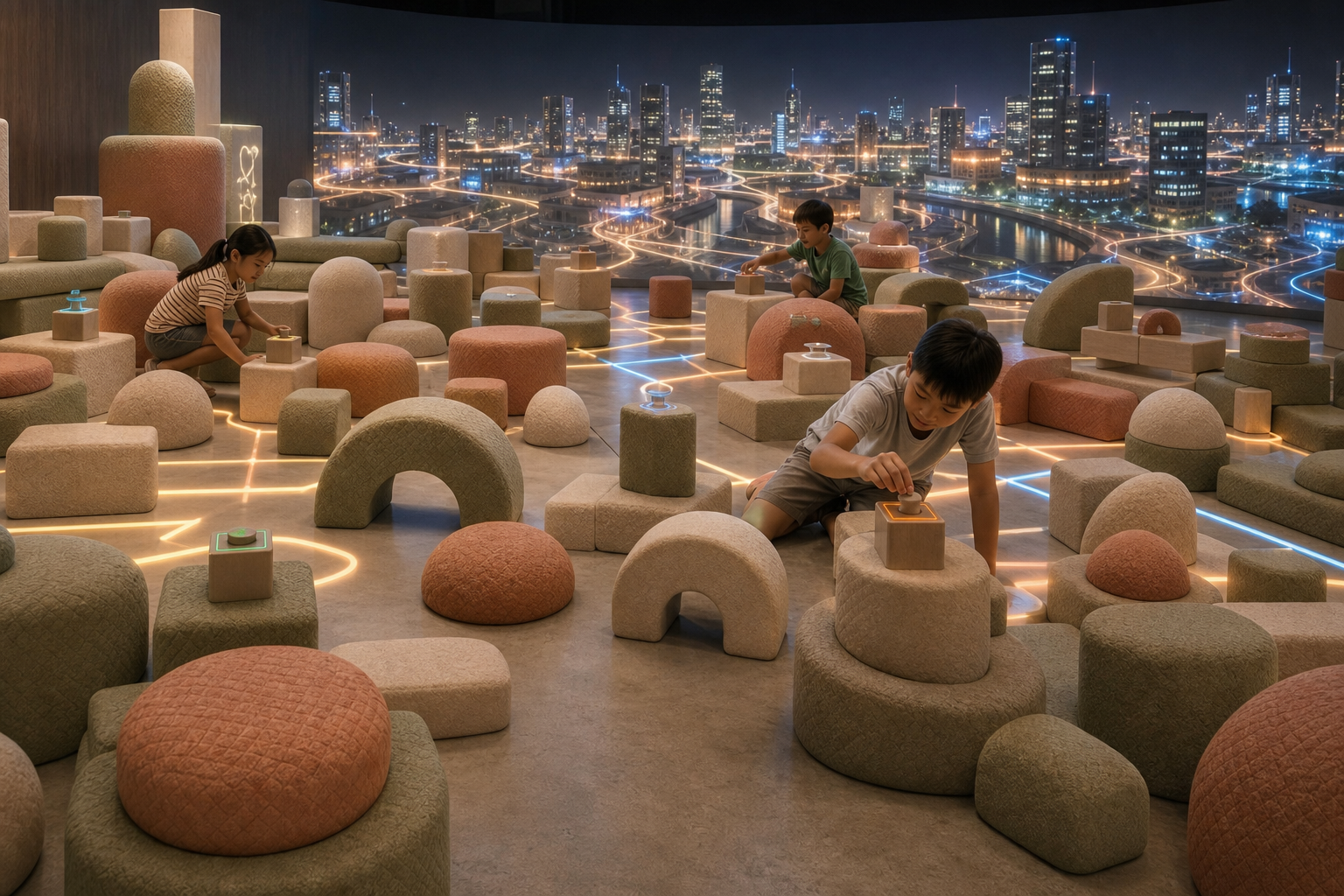
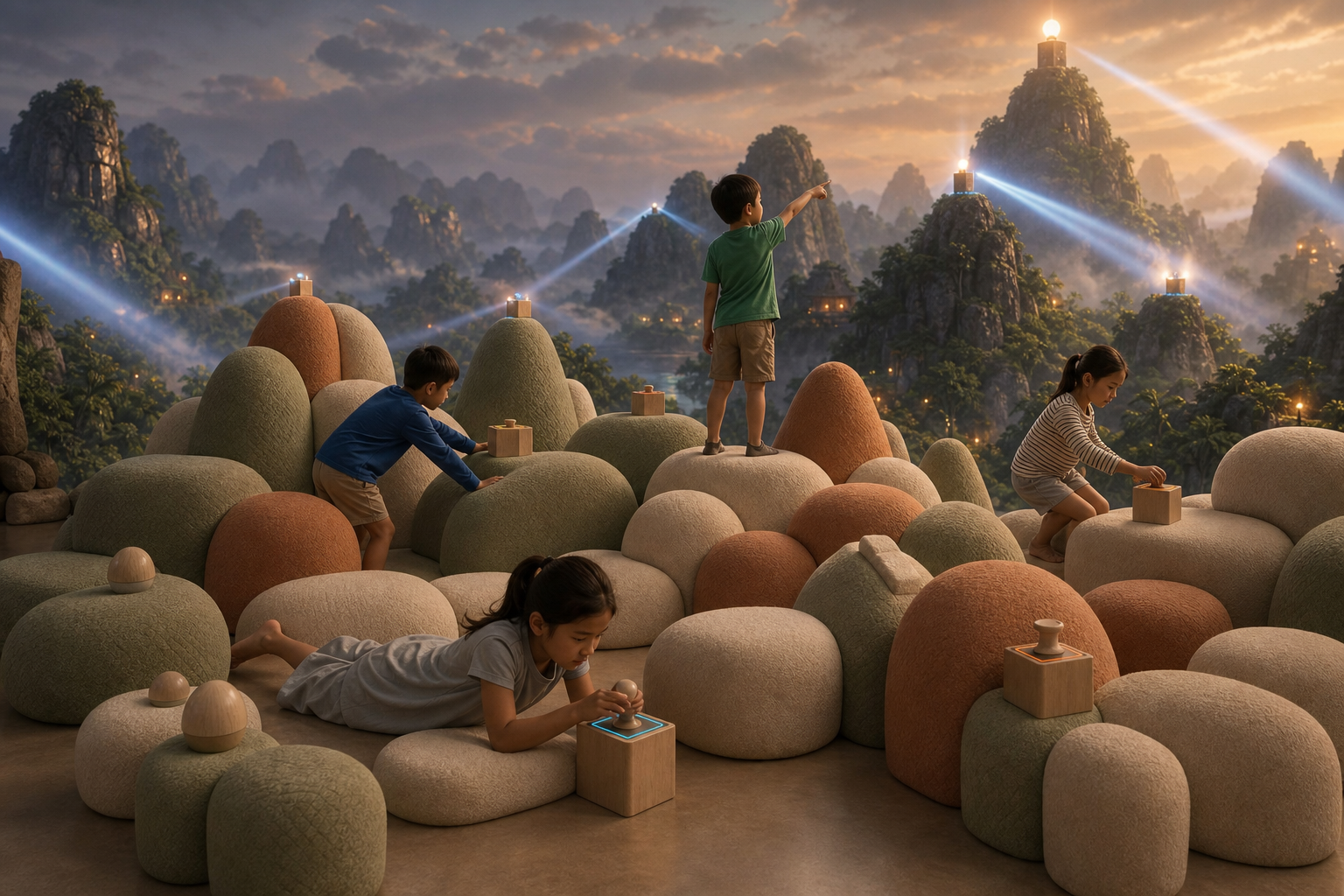
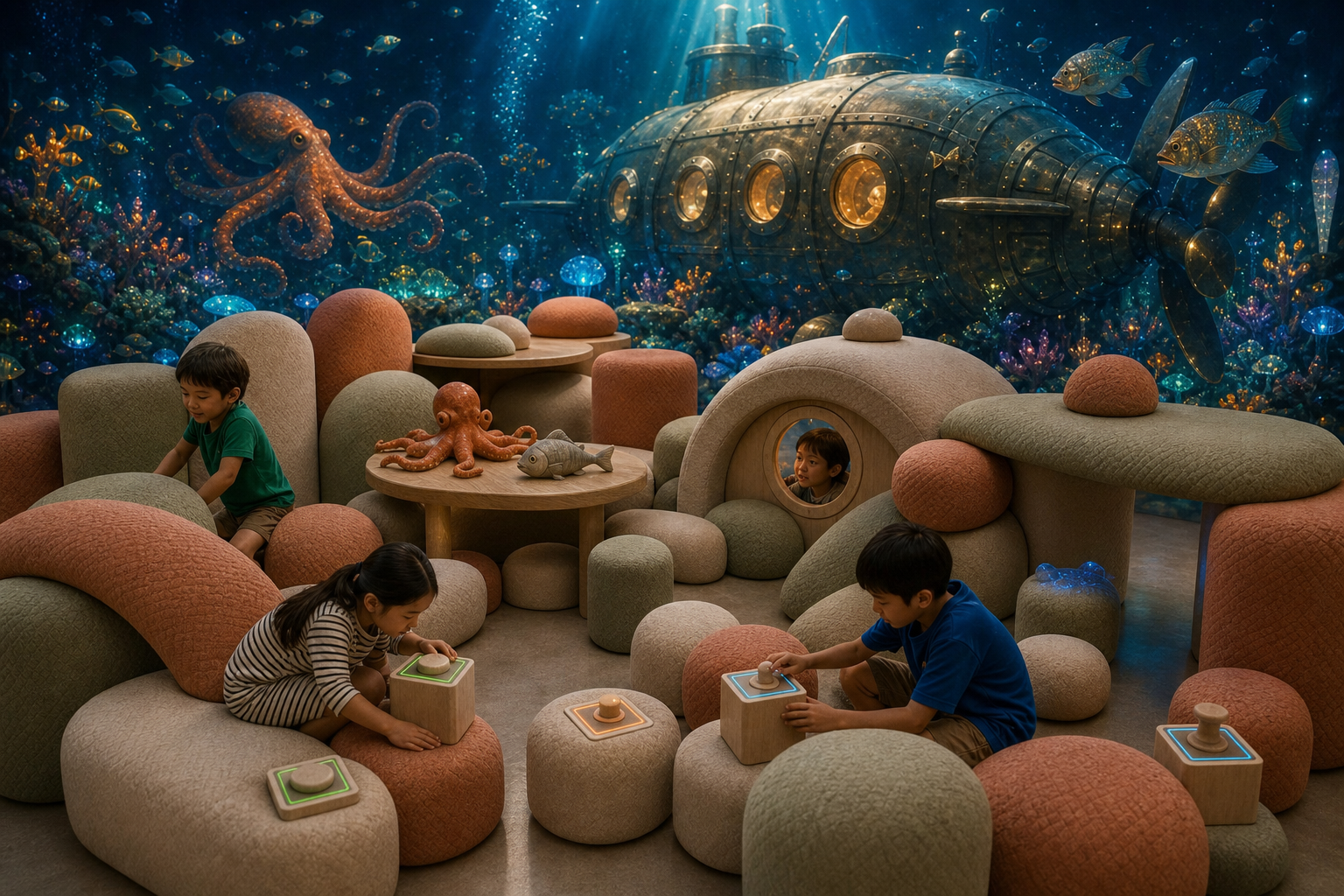
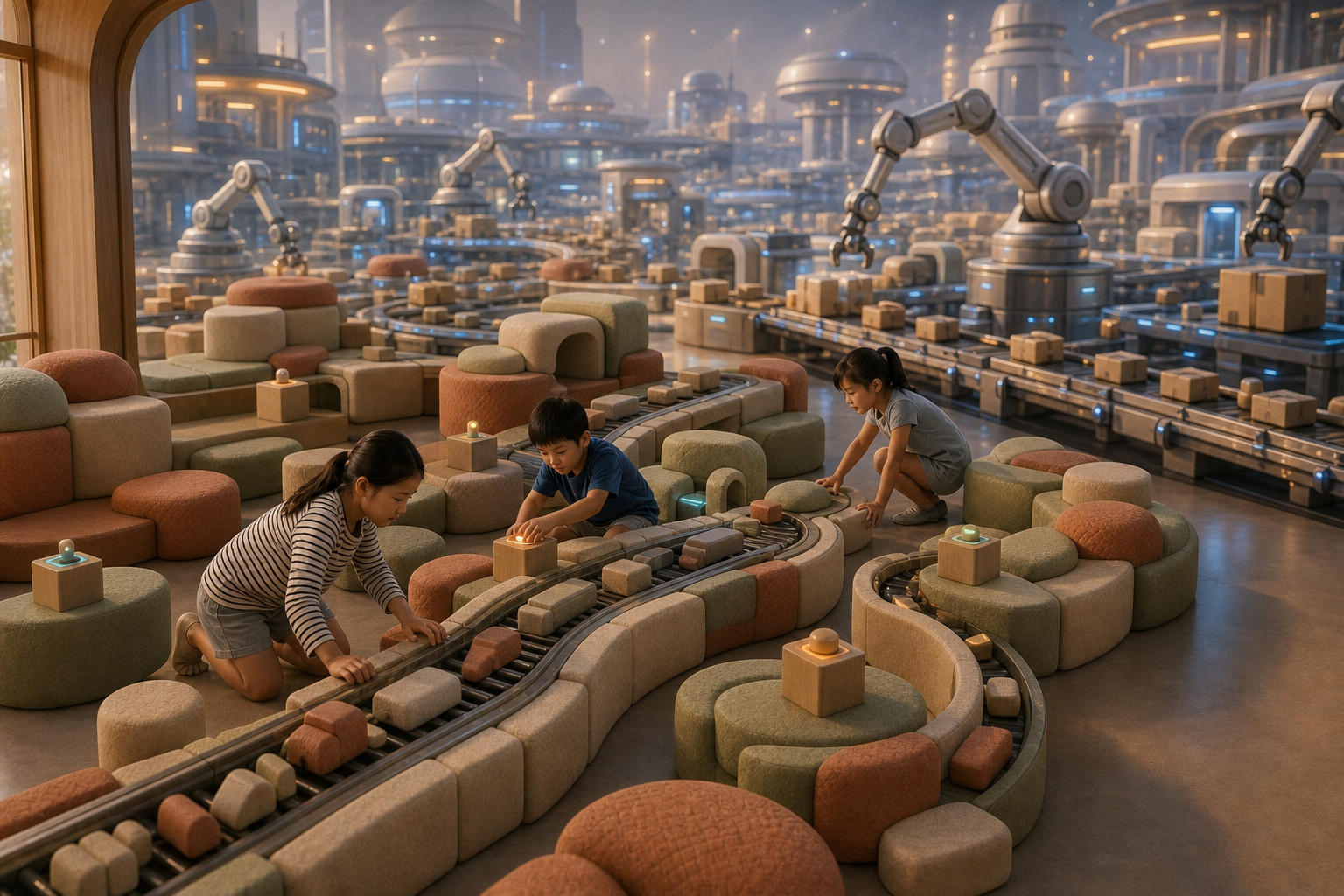
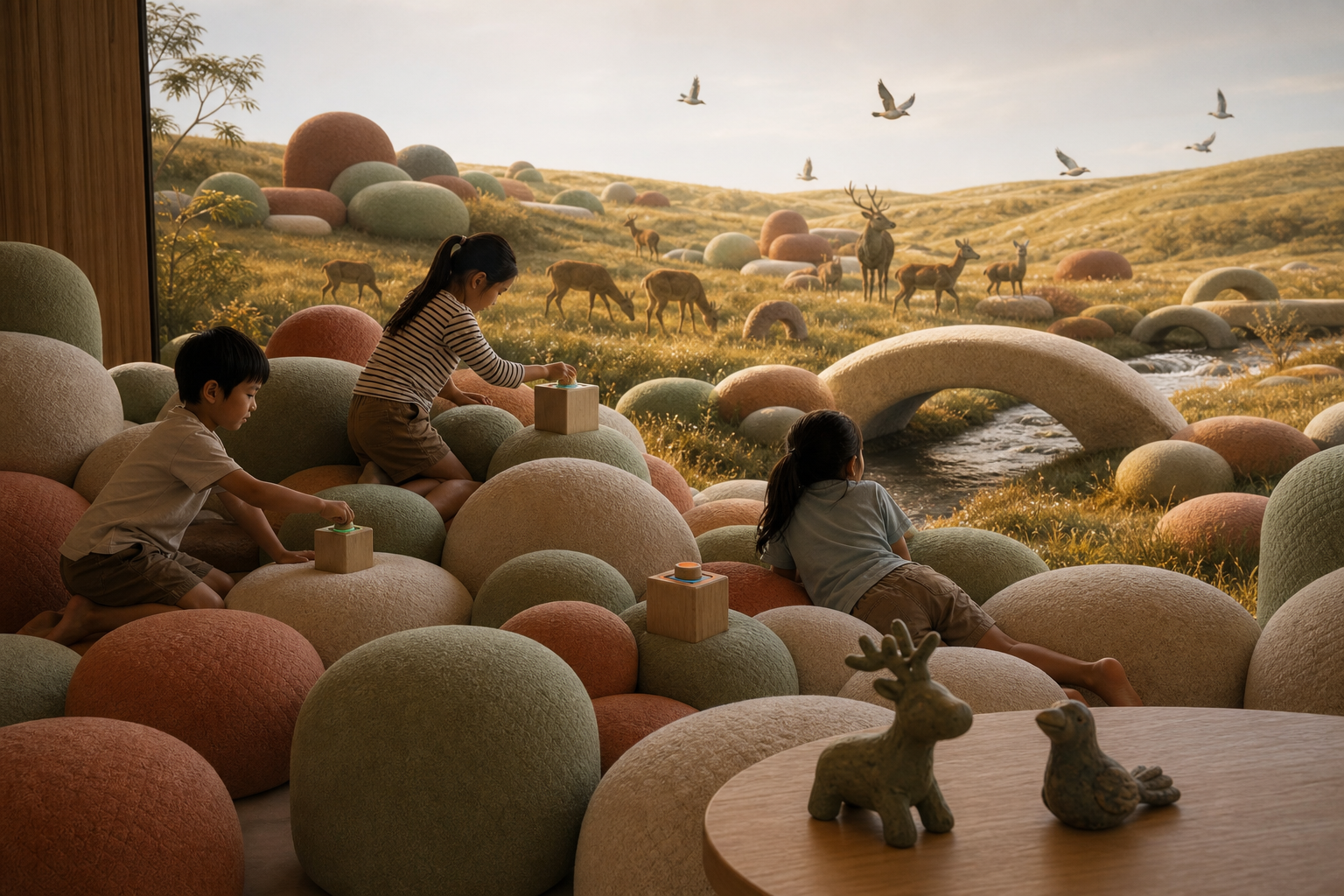
The world becomes
Spacecraft navigation
Coordinate to keep a vessel stable under changing conditions.
The kit never changes — its meaning does
The same device, many meanings
Primitives are theme-agnostic; the software assigns a meaning to each one per scenario. Take three very different worlds — the same four devices take on a completely different role in each.
| Device | In a spacecraft | In a factory | In an ecosystem |
|---|---|---|---|
| Dial | Engine power | Conveyor speed | Irrigation flow |
| Light | Engine warning | Overload alert | Plant distress |
| Meter | Fuel level | Output rate | Population |
| Joystick | Steering | Crane control | Navigation |
Read across each row: one device, a different role in every world.
Furniture, Characters & Worlds
Build it. Then watch it come alive.
Children build a whole system — structures from the soft foam vocabulary, characters sculpted in clay, and the Luminary devices as its controls. Then the platform brings all of it to life. One story, four beats: follow the same castle, and the same clay dragon, all the way through.
How the system knows
The blocks themselves are smart
The furniture primitives carry embedded IoT modules — position, proximity, orientation, and touch stream to the platform in real time. That's how the system knows what was built, where it stands, and who's near it — so projection lands exactly on the structure, and the world can respond to the build itself.
One vocabulary, many outcomes
The same simple shapes become a castle, a boat, a creature's nest — and the characters come from the clay table.
They build their world
Towers, a gateway, ramparts rising piece by piece — and a dragon taking shape under her thumbs at the clay table.
Rendered into the world
On the LED volume, their build becomes the real thing — same towers, same gate — and the clay dragon flies over it, alive.
Then they step inside
The room and the world blend into one, and they walk into what they made.
The Intelligence Layer
The devices stay simple. The platform is the brain.
Every Luminary runs on one AI platform we built end-to-end: a simulation engine, AI orchestration, per-child tablets, and facilitator tools. The devices report what children do; the platform decides what the world does back.
That's what makes the same physical kit become a spacecraft, a power grid, or a rescue mission — software assigns the meaning, new scenarios arrive over the air, and every session across the network makes the platform smarter.
How It Is Designed
Every decision satisfies three lenses at once
For the model to work in the real world it has to succeed for the student, the facilitator, and the business — the design balances all three from the start, and every hardware decision traces back to them.
Student experience
Safe, comfortable, inviting
- Feels like a lab and play space, not a classroom
- Supports focus, exploration, and collaboration
- Blends physical and digital interaction
- Designed to spark curiosity and engagement
Facilitator experience
Runnable by one adult
- Clear visibility across all students
- Flexible, reconfigurable activity zones
- Simple control of space, tools, and flow
- Easy setup and cleanup, groups of 6 to 16
Business viability
Built to replicate
- Low-cost, modular, and scalable
- Minimal renovation required
- Durable, portable, easy to maintain
- Consistent experience across locations
Made to Last
Built to the standard of the world's best brands
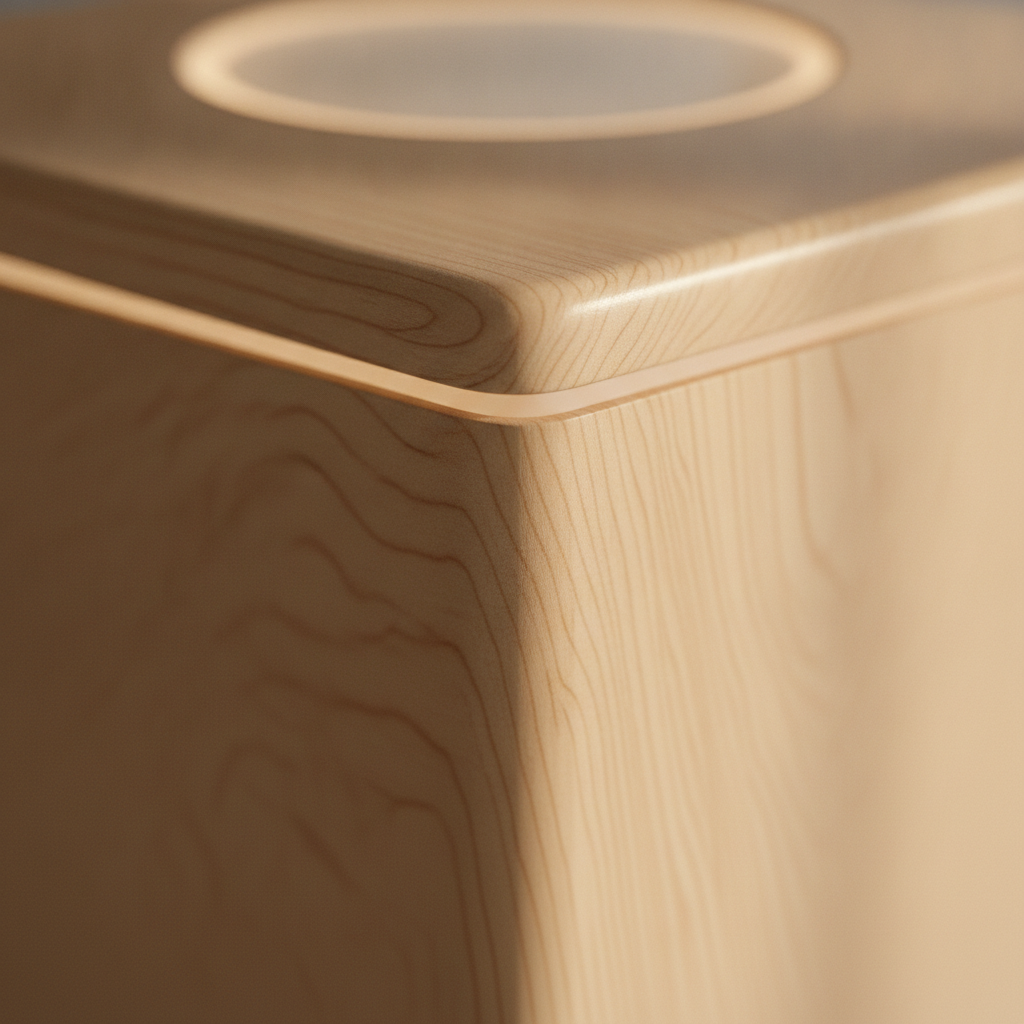
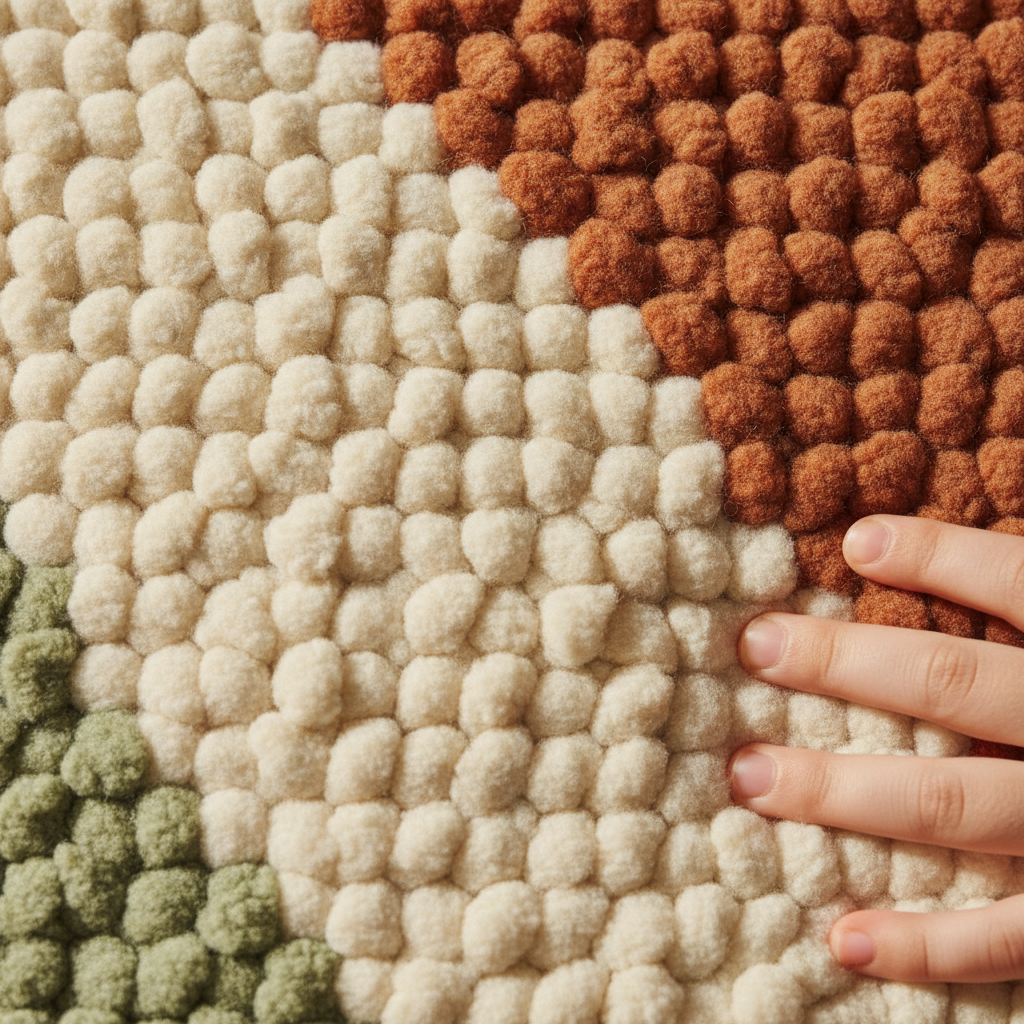
Every piece is engineered and finished to world-class product quality — built to be touched, played with, and to last. Organic, safe, and beautiful enough that you'd want it living in your home.
 Birch, oiled satin
 Boucle, made to be held
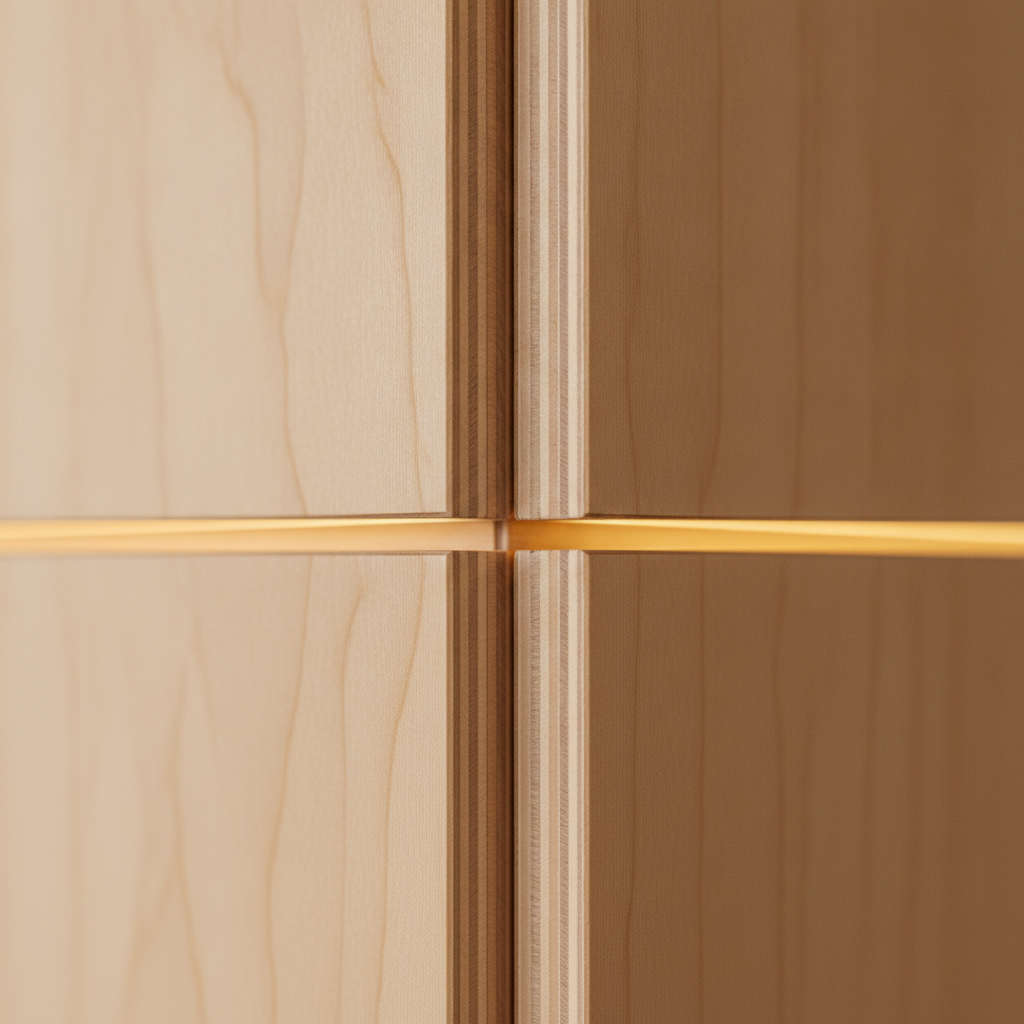 Joinery, with light built in
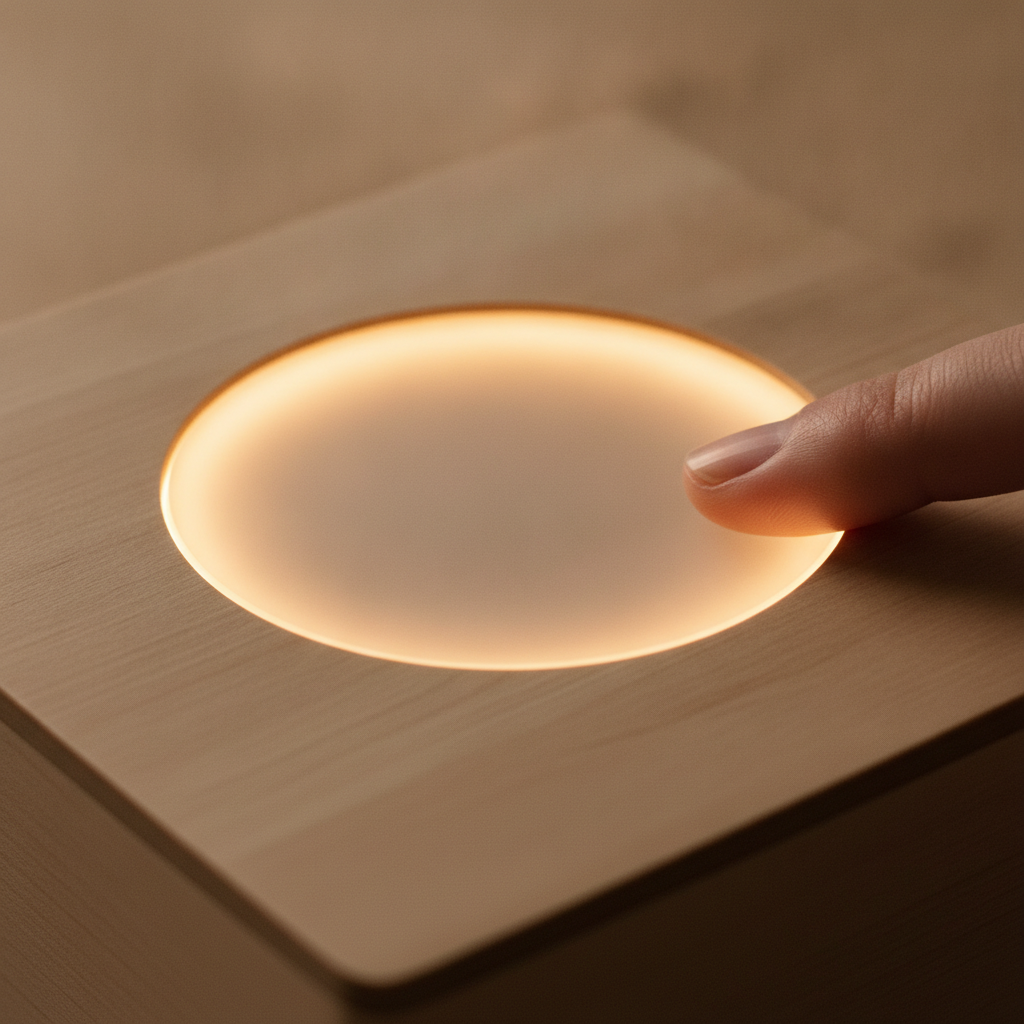 The glow, flush to the wood
One kit of parts, four scales
The same building blocks, configured for the space they’re in. That’s what makes manufacturing the spine of the business, not a downstream step.
Home
The take-home product line
School Corner
A classroom kit that drops in
Enrichment Centre
A room, or a full centre, that ships in crates
Flagship
Where the whole system comes together
Coming Soon
The same platform, expanding to new audiences.
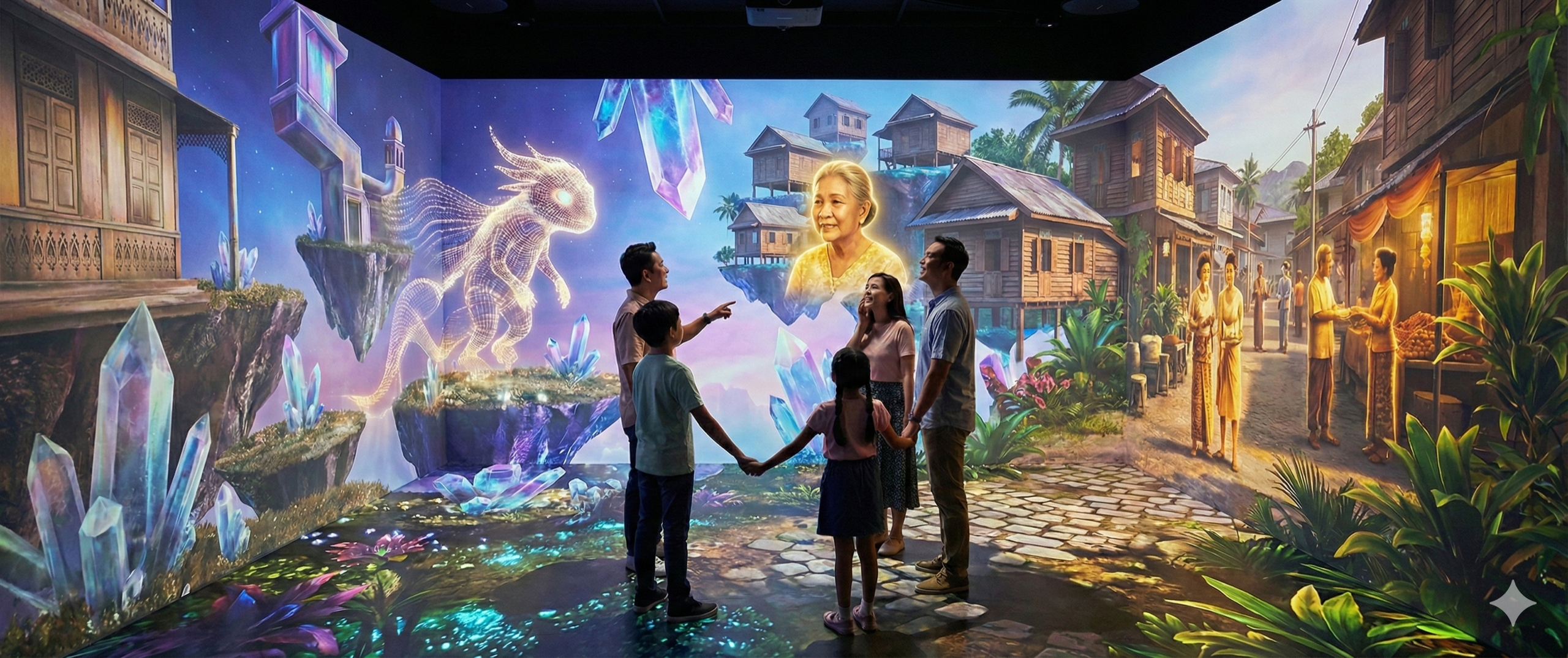 Coming Soon
Families
Weekend workshops across generations
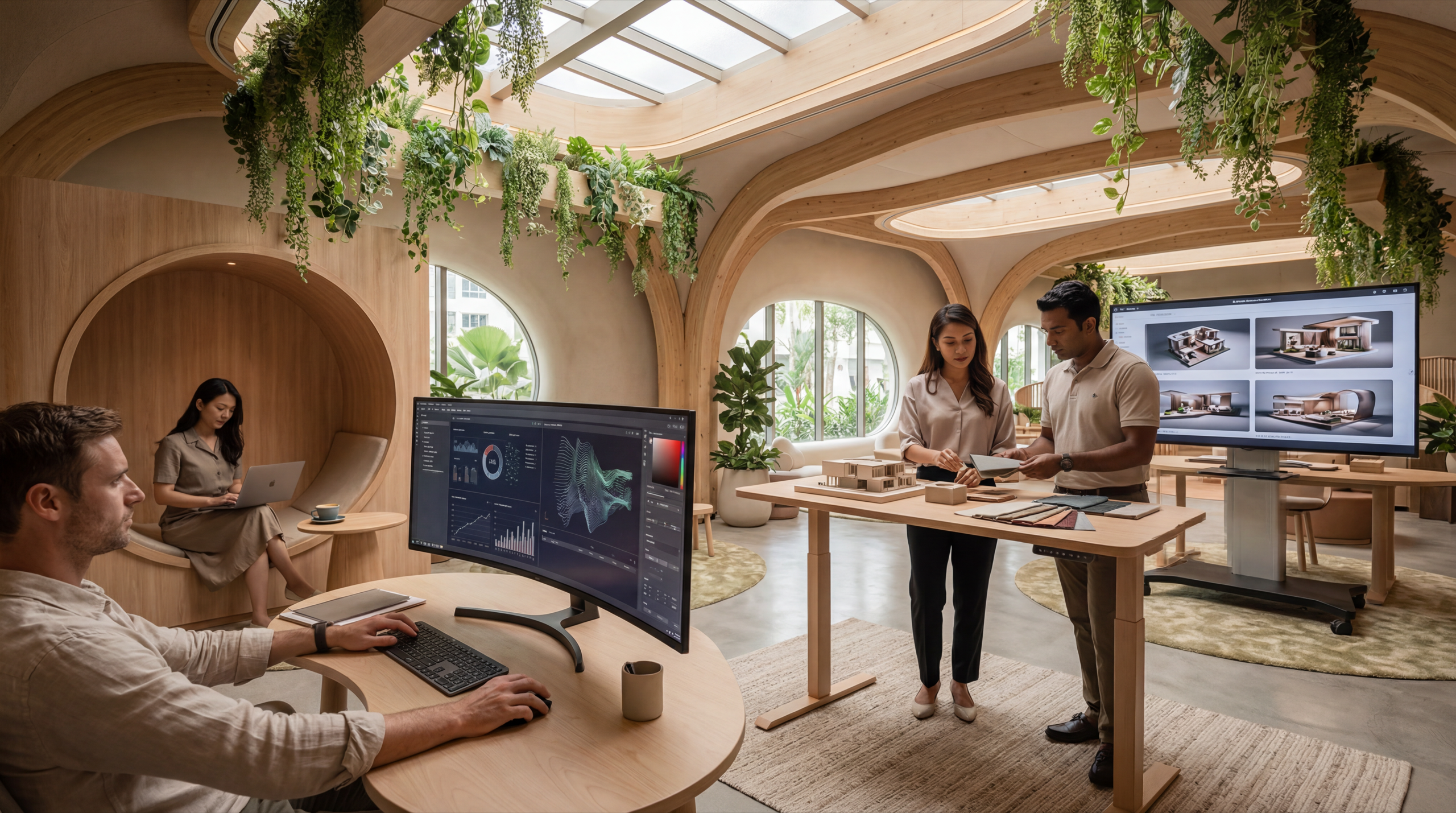 Coming Soon
Teams
Corporate innovation experiences
 Coming Soon
Adults
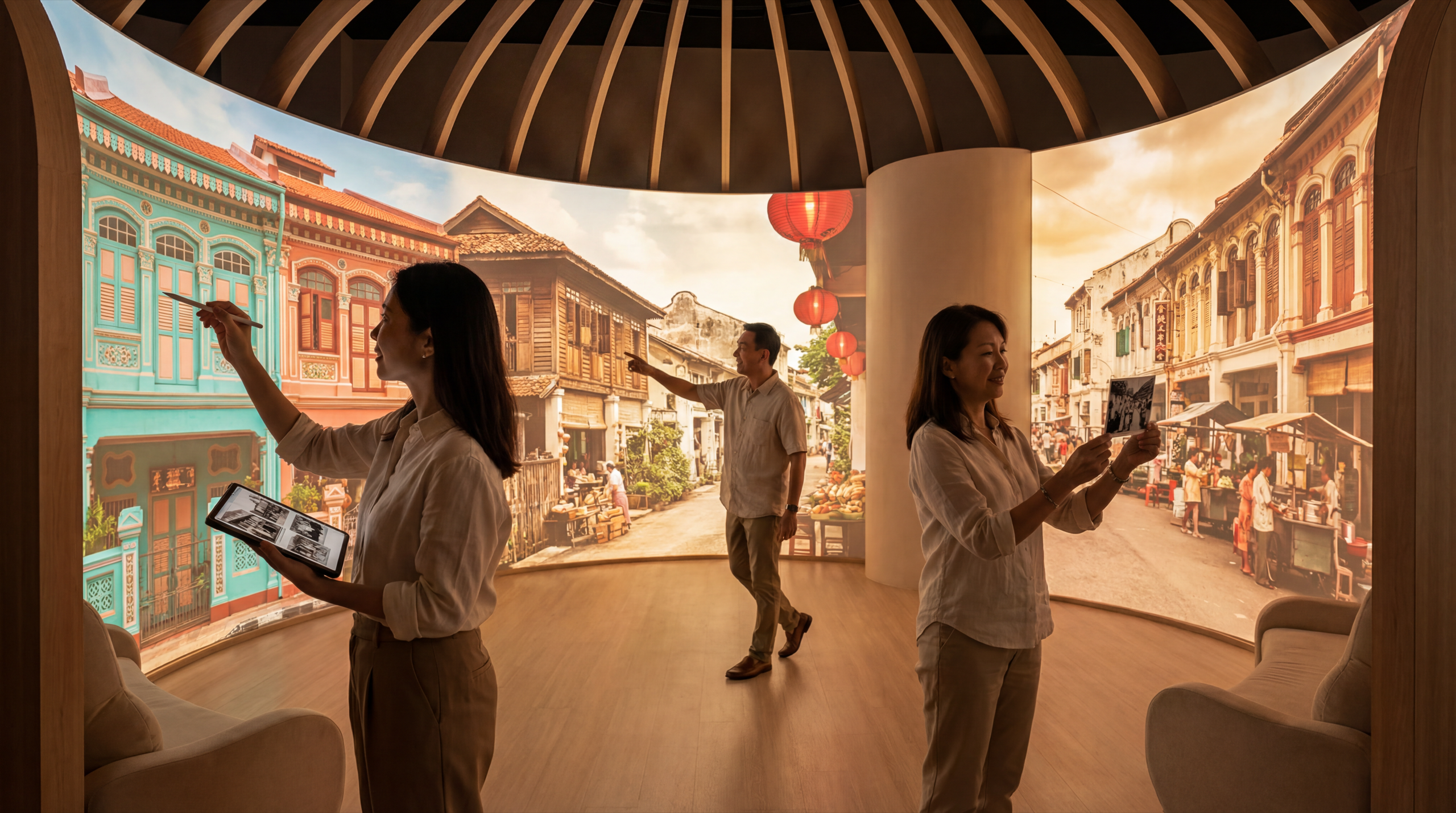
Heritage preservation and upskilling